
 EN
EN

စက်မှုလုပ်ငန်းအတွက် လေဆာ ပရင်တာများသည် လုပ်ငန်းခွင်အခြေအနေများတွင် စိတ်ခေါ်မှုများကို ရင်ဆိုင်ရသည့်အခါ အရည်အသွေးမှီမှီ နှင့် စိတ်ခေါ်မှုများကို ရင်ဆိုင်နိုင်သော အခြေအနေများတွင် အမျှတ်အသေးစိတ် အစိတ်အပိုင်းများပေါ်တွင် အချိုးကျသော အရည်အသွေးမှီမှီ ရလဒ်များကို ထုတ်လုပ်ရန် မှီခိုရသည်။ ဤအရေးကြီးသော အစိတ်အပိုင်းများအနက် ဖျူဇာ ရိုလာသည် အပူနှင့် ဖိအားကို ထိန်းချုပ်ထားသော နည်းလမ်းဖြင့် တွန်နာကို စက္ကူပေါ်သို့ ချိတ်ဆက်ပေးရာတွင် အရေးပါသော အခန်းကဏ္ဍမှ ပါဝင်သည်။ သင့်၏ စက်မှုလုပ်ငန်း ပရင်တ်လုပ်ငန်းများအတွက် မှန်ကန်သော ဖျူဇာ ရိုလာကို ရွေးချယ်နည်းကို နားလည်ခြင်းသည် ပရင်တ်အရည်အသွေး၊ စက်ပစ္စည်း၏ သက်တမ်းနှင့် လုပ်ငန်းဆောင်ရွက်မှု ထိရောက်မှုတို့ကို အထိရောက်ကြီးစွာ သက်ရောက်မှုရှိစေနိုင်ပါသည်။ ဤအပြည့်အစုံ လမ်းညွှန်ချက်တွင် စက်မှုလုပ်ငန်းများတွင် ဖျူဇာ ရိုလာ၏ ခံနိုင်ရည်ရှိမှုနှင့် စွမ်းဆောင်ရည်ကို ဆုံးဖြတ်သည့် အဓိက အချက်များကို စူးစမ်းလေ့လာထားပါသည်။
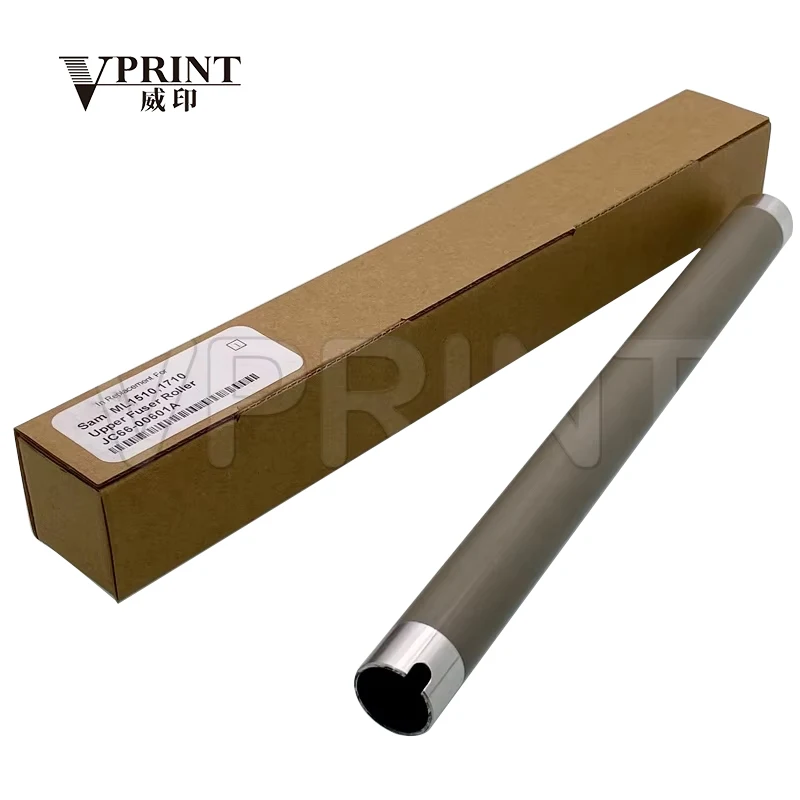
ခိုင်ခံ့သောဖျူဇာရောလာကို ရွေးချယ်ရာတွင် နည်းပညာဆိုင်ရာအထူးသတ်မှတ်ချက်များ၊ ပစ္စည်းဖွဲ့စည်းမှုများနှင့် သ совместимိုက်မှုလိုအပ်ချက်များကို အကဲဖြတ်ရန် လိုအပ်ပါသည်။ စက်မှုလုပ်ငန်းများတွင် မှုန်းများသောပုံနိုတ်မှုလိုအပ်ချက်များ၊ အချိန်ကြာမှုန်းများသော လုပ်ဆောင်မှုအချိန်များနှင့် ပုံစံအမျိုးမျိုးသော ပတ်ဝန်းကျင်အခြေအနေများကြောင့် အစိတ်အပိုင်းများ၏ စွမ်းဆောင်ရည်ကို ထိခိုက်စေနိုင်သည့် ထူးခြားသောစိန်ခေါ်မှုများကို ရင်ဆိုင်ရပါသည်။ သင့်လျော်စွာရွေးချယ်ထားသောဖျူဇာရောလာသည် ပုံနိုတ်အရည်အသွေးကောင်းမှုကိုသာမက ထိန်းသိမ်းရေးလိုအပ်ချက်များကိုလည်း အနိမ့်ဆုံးသို့လျှော့ချပေးပြီး စက်ပစ္စည်း၏ လုပ်ဆောင်မှုသက်တမ်းတစ်လျှောက် စုစုပေါင်းပိုင်ဆိုင်မှုစုစုပေါင်းကုန်ကုန်ကို လျှော့ချပေးပါသည်။
ဖျူဇာရောလာ၏ လုပ်ဆောင်မှုနှင့် တည်ဆောက်မှုကို နားလည်ခြင်း
အဓိကဆိုင်ရာအစိတ်အပိုင်းများနှင့် လုပ်ဆောင်ချက်များ
ဖြူဇာ ရိုလာသည် ပရင်တာ၏ ဖြူဇင်း အစီအစဉ်အတွင်းရှိ နှစ်ခုပါသော ရိုလာစနစ်၏ အစိတ်အပိုင်းတစ်ခုအဖြစ် လုပ်ဆောင်ပြီး တောင်နာကို ကပ်စေရန် လိုအပ်သော အပူနှင့် ဖိအားကို ဖန်တီးရန် ဖိအားရိုလာနှင့် တွဲဖက်၍ အလုပ်လုပ်ပါသည်။ ဤအရေးကြီးသော အစိတ်အပိုင်းသည် အများအားဖြင့် အပူခံနိုင်ရည်ရှိသော အထူးအလွှာများဖြင့် ဝိုင်းထားသော အလူမီနီယမ် အတွင်းခေါင်းစင် (ဟောလော့) ဖြင့် ဖွဲ့စည်းထားပါသည်။ ထိုအလွှာများသည် အပူခံနိုင်ရည်ရှိပြီး ရိုလာမျက်နှာပုံတစ်လုံးလုံးတွင် အပူခြင်းကို တစ်သျှေးညီညီ ဖြန့်ဖေးပေးနိုင်ရန် ဒီဇိုင်းထုတ်ထားပါသည်။ အတွင်းပိုင်းရှိ အပူပေးသည့် အစိတ်အပိုင်းများဖြစ်သည့် ဟာလိုဂဲန် မီးလုံး သို့မဟုတ် စီရမစ် အပူပေးသည့် ကိရိယာသည် ပရင်တ်လုပ်ငန်းစဉ်တစ်လုံးလုံးတွင် အပူချိန်ကို တိကျစွာ ထိန်းညှိပေးပါသည်။
ခေတ်မှီဖျူဇာ ရိုလာဒီဇိုင်းများသည် အကောင်းမွန်ဆုံးစွမ်းဆောင်ရည် ဂုဏ်သတ္တိများကို ရရှိရန် အဆင့်မြင့်ပစ္စည်းသိပ္ပံကို အသုံးပြုထားပါသည်။ အပြင်ဘက်အလွှာသည် များသောအားဖြင့် ဖလူရိုပေါလီမာ ပစ္စည်းများဖြင့် ဖန်တီးထားပြီး အလွန်ကောင်းမွန်သော ဖယ်ရှားရေးဂုဏ်သတ္တိများကို ပေးစေကာ ရိုလာမျက်နှာပုံပေါ်သို့ တောင်နာကို ကပ်မှုကို ကာကွယ်ပေးသည့်အတွက် စာရွက်သယ်ဆောင်မှုကို ချောမွေ့စေပါသည်။ ဤအလွှာသည် စက်မှုဖော်ပေးရေးလုပ်ငန်းများတွင် အသုံးပြုသည့် တောင်နာအမျိုးမျိုး၏ ဓာတုဖော်စပ်မှုများမှ ဖော်ပေးရေးအတွက် အပူလှည့်ပတ်မှုများ၊ စက်မှုဖိအားများနှင့် ဓာတုဖော်စပ်မှုများအောက်တွင် အသုံးပြုနေစဉ် အသုံးပြုနိုင်မှုကို ထိန်းသိမ်းထားရန် လိုအပ်ပါသည်။
အပူခွဲဝေမှုနှင့် အပူချိန်ထိန်းသိမ်းမှု
ဖျူဇာ ရိုလာ၏ စွမ်းဆောင်ရည်အတွက် အပူပိုမိုကောင်းမွန်စွာ ဖြန့်ဖြူးပေးခြင်းသည် အခြေခံလိုအပ်ချက်ဖြစ်ပါသည်။ အထူးသဖြင့် ကြီးမားသော ပရင်တ်လုပ်ငန်းများတွင် အရည်အသွေးတူညီမှုကို ထိန်းသိမ်းရန် အရေးကြီးပါသည်။ ရိုလာ၏ အပူစုစည်းမှုနှင့် အလွှာဂုဏ်သတ္တိများသည် အပူဖြန့်ဖြူးမှု တစ်သေးတစ်ညီဖြစ်မှု၊ အပူပေးခြင်းအချိန်များနှင့် လုပ်ဆောင်နေစဉ် အပူခါးမှုတည်ငြိမ်မှုကို တိုက်ရိုက်သက်ရောက်မှုရှိပါသည်။ အထူးကောင်းမွန်သော ဖျူဇာ ရိုလာဒီဇိုင်းများတွင် ရိုလာအကျယ်တွင် အပူခါးမှု ကွဲလေးမှုများကို အနည်းဆုံးဖြစ်စေရန် အလယ်ပိုင်းအထူနှင့် အလွှာဖော်စပ်မှုများကို အကောင်းမွန်ဆုံးဖြစ်အောင် ပြုလုပ်ထားပါသည်။
အပူခွင်းစီမံခန့်ခွဲမှု စွမ်းရည်များသည် ဖောင်စာရေး ရောလာ (fuser roller) သည် ပရင်တ်မြန်နှုန်းများ၊ မီဒီယာအလေးချိန်များနှင့် ပတ်ဝန်းကျင်အခြေအနေများ ပြောင်းလဲနေသည့်အခါတွင်ပါ စွမ်းဆောင်ရည်ကို တည်ငြိမ်စွာထိန်းသိမ်းပေးရန် လုပ်ငန်းခွင်အရှုပ်ထွေးမှုများများရှိသည့် စက်မှုလုပ်ငန်းများတွင် ပိုမိုအရေးကြီးလာပါသည်။ အဆင့်မြင့် ဖောင်စာရေး ရောလာများတွင် အပူခွင်းစီမံခန့်ခွဲမှု လုပ်ဆောင်ချက်များကို ထည့်သွင်းထားပြီး ပရင်တ်လုပ်ဆောင်မှုများကြားတွင် အပူခွင်းပြန်လည်ရရှိမှုကို မြန်မြန်ပေးနိုင်ပါသည်။ ထို့အပါအဝါ ဖောင်စာရေး ရောလာ၏ အထုပ်များ (coating) ကို ပျက်စီးစေနိုင်သည့် အပူလွန်ကဲမှု (overheating) ကို ကာကွယ်ပေးပါသည်။ ထိုသို့သော အရည်အသွေးများသည် ရောလာ၏ လုပ်ဆောင်မှုသက်တမ်းနှင့် ပုံမှန်ပြုပြင်ထိန်းသိမ်းမှုလိုအပ်ချက်များကို တိုက်ရိုက်သက်ရောက်မှုရှိပါသည်။
ပစ္စည်းရွေးချယ်မှုနှင့် ခံနိုင်ရည်ကိန်းဂဏန်းများ
အပေါ်ယံလွှာနည်းပညာနှင့် ပွတ်တိုက်မှုခံနိုင်ရည်ရှိမှု
တစ်ခုလုံး၏ ခံနိုင်ရည် ဖြူဆိုင်ရေး ရိုလာ အထွေထွေအားဖြင့် ၎င်း၏အပြင်ဘက်အလွှာ၏အရည်အသွေးနှင့် ဖွဲ့စည်းမှုအပေါ်တွင် အများအားဖြင့် မှီခိုပါသည်။ ဤအလွှာသည် စာရွက်များကို သန်းနှင့်ချီသော အကြိမ်အရေအတွက်ဖြင့် ဖောက်ထုတ်နိုင်ရန်နှင့် ၎င်း၏ဖောက်ထုတ်နိုင်မှုဂုဏ်သတ္တိများနှင့် မျက်နှာပုံအရည်အသွေးကို ထိန်းသိမ်းနိုင်ရန် လိုအပ်ပါသည်။ အဆင့်မြင့် စွမ်းဆောင်ရည်ရှိသော အလွှာများတွင် ပုံမှန်အားဖြင့် PFA သို့မဟုတ် PTFE ကဲ့သို့သော ဖလူရိုပေါလီမာ ပစ္စည်းများကို အသုံးပြုကြပါသည်။ ဤပစ္စည်းများသည် ကြီးမားသော ဓာတုပိုင်းဆိုင်ရာ ခံနိုင်ရည်၊ မျက်နှာပုံပေါ်ရှိ မြင့်မားသော စွမ်းအင်နှင့် လုပ်ဆောင်ရှိ အပူချိန်အတွင်း အပူခံနိုင်ရည်ကောင်းများကို ပေးစေပါသည်။ အလွှာ၏ ထူမှုနှင့် အလွှာချွတ်နည်းသည် ပုံပေါ်လွှာ၏ wearing resistance (အသုံးပျောက်မှုခံနိုင်ရည်) နှင့် လုပ်ဆောင်ရှိ သက်တမ်းကို အရေးကြီးစွာ သက်ရောက်မှုရှိပါသည်။
စက်မှုအဆင့်ရှိ ဖျူဇာ ရိုလာအလွှာများတွင် အထူးအသုံးပြုသော ပုံစံများ သို့မဟုတ် အပိုများသော အားဖေးပေးသည့် ပစ္စည်းများကို ပုံမှန်အားဖြင့် ထည့်သွင်းလေ့ရှိပါသည်။ ဤအပိုများသော အလွှာများသည် အလွန်အသုံးများသော ပရင်တ်လုပ်ဆောင်မှုများအတွင်း ဖုံးလွှမ်းမှု၊ ဓာတုပိုင်းဆိုင်ရာ ပျက်စီးမှုနှင့် အပူခံနိုင်ရည် ကျော်လွန်မှုကြောင့် ဖြစ်ပေါ်လာသော အပူခံနိုင်ရည် ကျော်လွန်မှု ကြောင်းပါသည်။ အလွှာ၏ အောက်ခြေရှိ ပစ္စည်းနှင့် ကပ်နေမှုသည်လည်း အလွှာခွဲထွက်မှု (delamination) သို့မဟုတ် မျက်နှာပုံ မတော်တဆမှုများကြောင့် အစောပိုင်းတွင် ပျက်စီးမှုများ ဖြစ်ပေါ်ခြင်းကို ကာကွယ်ရှိ အရေးကြီးသော အခန်းကဏ္ဍမှ ပါဝင်ပါသည်။
အဓိကပစ္စည်း၏ ဂုဏ်သတ္တိများနှင့် ဖွဲ့စည်းပုံဆိုင်ရာ တည်ငြိမ်မှု
ဖျူဇာ ရောလာ၏ အလူမီနီယမ်အဓိကအစိတ်အပိုင်းသည် ၎င်း၏ လုပ်ဆောင်မှုကာလတစ်လျှောက် ဖွဲ့စည်းပုံဆိုင်ရာ တည်ငြိမ်မှုနှင့် အကောင်းမွန်ဆုံး အပူလွှဲပေးမှုစွမ်းရည်ကို အာမခံရန် သတ်မှတ်ထားသော ပစ္စည်းဂုဏ်သတ္တိများကို ပိုင်ဆိုင်ရမည်။ အရည်အသွေးမြင့် အဓိကအစိတ်အပိုင်းများတွင် တိကျသော စက်ဖွဲ့စည်းမှု အတိုင်းအတာများ၊ အနေအထားတူညီသော နံရံအထူနှင့် အသုံးပြုရန် သင့်လျော်သော အလွှာပေါင်းစပ်မှုများ ပါဝင်ပြီး အပူလွှဲပေးမှုစွမ်းရည်ကို အထူးကောင်းမွန်စေကာ အပူလှည့်ပေးမှုအခြေအနေတွင် အရွယ်အစား တည်ငြိမ်မှုကို ထိန်းသိမ်းပေးနိုင်သည်။ အဓိကအစိတ်အပိုင်း၏ မျက်နှာပုံပြင်ပေါ်တွင် ပြုလုပ်သော ပြင်ဆင်မှုနှင့် ကုသမှုလုပ်ငန်းစဉ်များသည် အလွှာဖုံးအ покрытие ကို ကပ်ရှိမှုနှင့် အစိတ်အပိုင်း၏ စုစုပေါင်း ယုံကြည်စိတ်ချရမှုကို အရေးကြီးစွာ သက်ရောက်မှုရှိသည်။
စက်မှုလုပ်ငန်းအသုံးအနေဖြင့် ဖျှော့ပေးသည့် ရိုလာအတွင်းပိုင်းများကို အမြန်နှုန်းမြင့်သော လုပ်ဆောင်မှု၊ စက္ကူပိတ်ခြင်းမှုများနှင့် အမြဲတမ်း တပ်ဆင်ခြင်းလုပ်ထုံးများမှ ယန္တရားဆိုင်ရာ ဖိအားများအောက်တွင် ထားရှိလေ့ရှိပါသည်။ ခံနိုင်ရည်ရှိသော အတွင်းပိုင်းဒီဇိုင်းများတွင် အားကောင်းသော တပ်ဆင်မှုနေရာများ၊ အကောင်းဆုံးဖြစ်သော နံရံအထူဖ distribution နှင့် ဖိအားလျော့ချရေး ပုံသဏ္ဍာန်များကဲ့သို့သော အင်္ဂါရပ်များ ပါဝင်ပါသည်။ ထိုအတွင်းပိုင်းများ၏ အချိန်ကြာမှုအတွင်း အမျှတမှုနှင့် စင်တာနှင့် ကွင်းပေါ်တွင် တည်ငြိမ်မှုကို ထိန်းသိမ်းနိုင်မှုသည် ပုံနှိပ်အရည်အသွေးနှင့် စက်ပစ္စည်း၏ ပုံပေါ်မှုများကို တိုက်ရိုက်အကျိုးသက်ရောက်မှုရှိပါသည်။
စက်မှုလုပ်ငန်း ပုံနှိပ်စက်များအတွက် သ совместимость စဉ်းစားမှုများ
ပုံနှိပ်စက်မော်ဒယ်အသေးစိတ်အချက်အလက်များနှင့် အရွယ်အစားလိုအပ်ချက်များ
သင်သည် သင်၏ ပရင်တာမောဒယ်နှင့်ကိုက်ညီသော ဖျူဇာ ရိုလာကို ရွေးချယ်ရာတွင် အရွယ်အစားဆိုင်ရာ အချက်အလက်များ၊ တပ်ဆင်မှု ပုံစံများနှင့် လျှပ်စစ် ဆက်သွယ်မှုများကဲ့သို့သော အထူးလိုအပ်ချက်များကို သေချာစွာ ဂရုပြုရန် လိုအပ်ပါသည်။ စက်မှုလုပ်ငန်းအသုံးပြုသော လေဆာ ပရင်တာများတွင် အထူးပြုထားသော ဖျူဇာ ရိုလာများကို အထူးစွမ်းဆောင်ရည်များ၊ စက္ကူ ကိုင်တွယ်မှု စွမ်းရည်များနှင့် အပူစီမံခန့်ခွဲမှု စနစ်များအတွက် အထူးပြုထားလေ့ရှိပါသည်။ အရွယ်အစား ကိုက်ညီမှုသည် ရိုလာ၏ အချင်းနှင့် အလျားသာမက ကောင်းမွန်သော တပ်ဆင်မှုနှင့် လုပ်ဆောင်မှု အကွာအဝေးများကို သက်ရောက်စေသည့် အရေးကြီးသော ခွင့်လွင့်မှုများကိုပါ ပါဝင်ပါသည်။
ဖောင်စာရိုလာ (fuser roller) ၏ အခြားဖောင်စာ အစိတ်အပိုင်းများနှင့် ပေါင်းစပ်မှုသည် ဖောင်စာဖော်မှုအတွက် အသုံးပြုသည့် ဖိအားဖ distributed ဖော်ပေးမှု၊ စာရွက်ပို့ဆောင်မှုနှင့် အပူစွမ်းဆောင်ရည်တို့ကို အောင်မြင်စေရန် အတိအကျရှိသည့် အရွယ်အစား ညှိနှိုင်းမှုကို လိုအပ်ပါသည်။ အရွယ်အစားဆိုင်ရာ အသုံးမဝင်သည့် အသေးစိတ်အချက်အလက်များသည် ဖောင်စာဖော်မှုအတွက် လုံလောက်သည့် အပူခါးမှုမရှိခြင်း၊ ဖိအားဖော်ပေးမှုမတ်မတ်မှု သို့မဟုတ် ယန္တရားဆိုင်ရာ အတားအဆီးများကို ဖော်ပေးနိုင်ပါသည်။ ထိုသို့သော အတားအဆီးများသည် ဖောင်စာရိုလာနှင့် အနီးနားရှိ အစိတ်အပိုင်းများကို ပျက်စီးစေနိုင်ပါသည်။ ပရော်ဖက်ရှင်နယ်အဆင့် အစားထိုးဖောင်စာရိုလာအစိတ်အပိုင်းများသည် မူရင်းစက်ပေါ်တွင် အသုံးပြုသည့် အသေးစိတ်အချက်အလက်များနှင့် အပ်နှက်မှုရှိစေရန် အတိအကျရှိသည့် အရွယ်အစား စမ်းသပ်မှုများကို ပြုလုပ်ပါသည်။
အပူနှင့် လျှပ်စစ် သ совместим်
စက်မှုသုံးပရင်တာဖျူဇာရောလာစနစ်များသည် အစားထိုးအစိတ်အပိုင်းများကို ရွေးချယ်ရာတွင် ကိုက်ညီရမည့် သီးသန့်အပူနှင့် လျှပ်စစ်စံချိန်များအတိုင်း လုပ်ဆောင်ပါသည်။ အပူပေးသည့်အစိတ်အပိုင်း၏ အသေးစိတ်အချက်အလက်များ၊ အပူခါးမှုစိတ်ကူးများ၏ ဖွဲ့စည်းပုံများနှင့် အပူခါးမှုထိန်းချုပ်မှုအယ်လ်ဂေါရီသမ်များကို ဖျူဇာရောလာ၏ သီးသန့်အပူခါးမှုလက္ခဏာများနှင့် အကောင်းဆုံးအားဖြင့် အလုပ်လုပ်နိုင်ရန် ဒီဇိုင်းထုတ်ထားခြင်းဖြစ်သည်။ အပူခါးမှုလက္ခဏာများ မကိုက်ညီပါက အပူခါးမှုထိန်းချုပ်မှုမော်ကွန်းမှု၊ ဖျူဇာလုပ်ဆောင်မှုမလ sufficiently ဖြစ်ခြင်း သို့မဟုတ် အစိတ်အပိုင်းများ မြန်မြန်ပျက်စီးခြင်းတို့ ဖြစ်ပေါ်လာနိုင်ပါသည်။
လျှပ်စစ်အကိုက်ညီမှုနှင့် ပတ်သက်သည့် အချက်များတွင် အပူပေးသည့်အစိတ်အပိုင်း၏ ပါဝါအဆင့်သတ်မှတ်ချက်များ၊ ခုခံမှုတန်ဖိုးများနှင့် ကော်နက်တာများ၏ ဖွဲ့စည်းပုံများ ပါဝင်ပါသည်။ ဤအချက်များသည် ပရင်တာ၏ အပူစီမံခန့်ခွဲမှုစနစ်နှင့် မှန်ကန်စွာ ပေါင်းစပ်နိုင်ရန် အာမခံပေးပါသည်။ ဖျူဇာရောလာ၏ အပူအားသော်မှု (thermal mass) နှင့် အပူလွှဲပေးမှုလက္ခဏာများသည် ထိန်းချုပ်မှုစနစ်၏ မျှော်လင့်ချက်များနှင့် ကိုက်ညီရပါမည်။ ထိုသို့ဖြစ်ခြင်းဖြင့် အပူခါးမှုကို တည်ငြိမ်စွာထိန်းသိမ်းနိုင်ပါမည်။ ထို့အပေါ်အခြေခံ၍ အစိတ်အပိုင်းများ၏ သက်တမ်းနှင့် ပရင်တ်အရည်အသွေးတူညီမှုကို ထိန်းသိမ်းရန် အပူခါးမှုပြောင်းလဲမှု (thermal cycling) ပြဿနာများကို ကာကွယ်နိုင်ပါသည်။
စွမ်းဆောင်ရည်အကဲဖြတ်ခြင်းနှင့် အရည်အသွေးအကဲဖြတ်ခြင်း
ပရင့်ထုတ်စွမ်းရည်ညွှန်းကိန်းများနှင့် စမ်းသပ်မှုနည်းလမ်းများ
ဖောင်စား ရိုလာ၏ စွမ်းဆောင်ရည်ကို အကဲဖြတ်ရာတွင် ဖောင်စားလုပ်ဆောင်မှုနှင့် အစိတ်အပိုင်းများ၏ အခြေအနေကို ညွှန်ပြသည့် ပရင့်ထုတ်စွမ်းရည် အရည်အသွေးဆိုင်ရာ လက္ခဏာများကို စနစ်တကျ အကဲဖြတ်ရန် လိုအပ်ပါသည်။ အရေးကြီးသည့် စွမ်းဆောင်ရည်ညွှန်းကိန်းများတွင် တောင်နာ ကပ်နေမှု တည်ငြိမ်မှု၊ ပုံရိပ်၏ မှန်ပေါင်းမှု တည်ငြိမ်မှုနှင့် ပူသော အရေးပါမှု (hot offset)၊ အေးသော အရေးပါမှု (cold offset) သို့မဟုတ် ပတ်ဝန်းကျင်တွင် ပုံပေါ်လာမှု (wrap-around issues) ကဲ့သို့သော ဖောင်စားနှင့် သက်ဆိုင်သည့် အကွက်များ မရှိခြင်းတို့ ပါဝင်ပါသည်။ ပရောဖက်ရှင်နယ် စမ်းသပ်မှု ပရိုတိုကောလ်များတွင် အများအားဖြင့် စံနှုန်းထားသည့် စမ်းသပ်ပုံစံများနှင့် တိကျသည့် တိုင်းတာမှု လုပ်ထုံးလုပ်နည်းများကို အသုံးပြုပြီး ရှင်းလင်းသည့် စွမ်းဆောင်ရည် ဒေတာများကို ပေးစေပါသည်။
စက်မှုလုပ်ငန်းဆိုင်ရာ ပရင်တ်ထုတ်လုပ်မှုပတ်ဝန်းကျင်များတွင် ထုတ်လုပ်မှုအရည်အသွေးကို ထိခိုက်စေမည့် ပြဿနာများကို အချိန်မီဖမ်းမိရန် ဖျူဇာ ရိုလာ၏ စွမ်းဆောင်ရည်ကို ပုံမှန်စောင်းကြည့်ခြင်းကို အကောင်အထည်ဖော်ခြင်းဖြင့် အကျေးဇူးပါသည်။ ဤစောင်းကြည့်ခြင်းတွင် ပရင်တ်အရည်အသွေးကို ကာလတိုင်းတွင် အကဲဖြတ်ခြင်း၊ အပူစွမ်းဆောင်ရည်ကို စစ်ဆေးအတည်ပြုခြင်းနှင့် ဖျူဇာ ရိုလာ၏ မျက်နှာပုံများ၏ အခြေအနေကို မျက်စိဖြင့် စောင်းကြည့်ခြင်းတို့ ပါဝင်သည်။ စွမ်းဆောင်ရည် ကျဆင်းမှုကို အစေးတွင် ဖမ်းမိခြင်းဖြင့် ကြိုတင်ပြုလုပ်သော ပြုပြင်ထိန်းသောင်းလုပ်ငန်းများကို စီစဥ်နိုင်ပြီး ထုတ်လုပ်မှုအပ်ပေးမှုများကို အနည်းဆုံးဖြစ်အောင် ပေးစွမ်းစေသည့် အစိတ်အပိုင်းများကို အချိန်မှန်အောင် အစားထိုးရန် အကူအညီပေးပါသည်။
အသက်တာကြာရှည်မှု ညွှန်းကိန်းများနှင့် အသက်တာစီမံခန့်ခွဲမှု
သက်တမ်းရှည်သော ဖျူဇာ ရိုလာအစိတ်အပိုင်းများသည် ၎င်းတို့၏ လုပ်ဆောင်မှုအသက်တာတစ်လျှောက် စွမ်းဆောင်ရည်အား တည်ငြိမ်စွာထိန်းသိမ်းပေးပြီး သတ်မှတ်ထားသော အပူနှင့် ယန္တရားဆိုင်ရာ စံချိန်များအတွင်းတွင် ပရင်တ်အရည်အသွေးစံချိန်များကို ထိန်းသိမ်းပေးပါသည်။ အသက်တာကြာရှည်မှု ညွှန်းကိန်းများတွင် စာမျက်နှာရေတွက်ခြင်း (page count) အဆိုပြုချက်များ၊ လုပ်ဆောင်မှုအချိန် (operational hour) အသေးစိတ်ဖော်ပြချက်များနှင့် စွမ်းဆောင်ရည် ကျဆင်းမှု ကြောင်းကြောင်း (performance degradation curves) တို့ ပါဝင်ပြီး စက်မှုလုပ်ငန်းများတွင် ပြုပြင်ထိန်းသောင်းလုပ်ငန်းများ လိုအပ်မည့်အချိန်နှင့် အစိတ်အပိုင်းများကို အစားထိုးရန် အချိန်ကို ခန့်မှန်းရန် အကူအညီပေးပါသည်။
ဖူဇာ ရိုလာ အစိတ်အပိုင်းများအတွက် ထိရောက်သော ဘဝသက်တမ်းစီမံခန့်ခွဲမှုသည် စွမ်းဆောင်ရည် အပြုအမှုများကို ခြေရာခံခြင်း၊ ပုံမှန် ထိန်းသိမ်းရေး လုပ်ဆောင်ချက်များကို မှတ်တမ်းတင်ခြင်းနှင့် ပုံမှန်မှုများ၏ ပုံစံများကို ဆန်းစစ်ခြင်းတို့ကို ပါဝင်ပါသည်။ ထိုသို့သော ဒေတာအခြေပြု ချဉ်းကပ်မှုသည် စက်မှု ပရင်တာလုပ်ငန်းများအား စွမ်းဆောင်ရည် အကောင်းဆုံးဖူဇာ ရိုလာများကို ရှာဖွေရန် အတွက် စုံစမ်းစစ်ဆေးမှုများကို အထောက်အကူပေးပါသည်။ ထို့အပြင် ပုံမှန်မဟုတ်သော အချိန်မှမှုများကို အနည်းဆုံးဖြစ်အောင် လုပ်ဆောင်ပါသည်။ ဖူဇာ ရိုလာ၏ စွမ်းဆောင်ရည်ကို မှတ်တမ်းတင်ခြင်းသည် စံသတ်မှတ်ချက်များကို သတ်မှတ်ရန်နှင့် အထောက်အကူပေးသော အစိတ်အပိုင်း ပေးသွင်းသူများ သို့မဟုတ် ထိရောက်သော ထုတ်ကုန်များကို ရှာဖွေရန် အထောက်အကူပေးပါသည်။
တည်ဆောက်မှုနှင့် လုပ်ငန်းရှင်းမှုများအတွက် အကောင်းဆုံး လုပ်ဆောင်ချက်များ
ကျွမ်းကျင်စွာ တပ်ဆင်ခြင်း လုပ်ငန်းစဉ်များ
ဖူဆာ ရိုလာ၏ စွမ်းဆောင်ရည်နှင့် သက်တမ်းကြာမှုကို မှန်ကန်သော ထောင်ခံချက်များ အလွန်အရေးကြီးစွာ သက်ရောက်မှုရှိပါသည်။ အထူးသဖြင့် မှန်ကန်စွာ ကိုင်တွယ်မှုမရှိပါက ချက်ချင်းပျက်စီးမှု (သို့) အရှိန်မြင့် ပုံပေါ်လာသော ပုံပိုင်းဆိုင်ရာ ပျက်စီးမှုများ ဖြစ်ပေါ်စေနိုင်သည့် စက်မှုလုပ်ငန်းများတွင် ထောင်ခံချက်များ၏ အရေးပါမှုသည် ပိုမိုမြင့်မားပါသည်။ ကျွမ်းကျင်သော ထောင်ခံချက်များသည် ဖူဆာ စနစ်၏ နေရာများကို စွမ်းစွမ်းတက်တက် သန့်ရှင်းရေးလုပ်ခြင်း၊ ထောင်ခံပစ္စည်းများကို သေချာစွာ စစ်ဆေးခြင်းနှင့် လျှပ်စစ် ဆက်သွယ်မှုများအားလုံးကို အတည်ပြုခြင်းတို့ဖြင့် စတင်ပါသည်။ ဖူဆာ ရိုလာကို ထောင်ခံချက်အတွင်း မျက်နှာပုံပေါ်ရှိ ညစ်ညမ်းမှုများ (သို့) ယန္တရားဆိုင်ရာ ပျက်စီးမှုများ မဖြစ်ပေါ်စေရန် သင့်လျော်သော နည်းလမ်းများဖြင့် ကိုင်တွယ်ရမည်ဖြစ်ပါသည်။
ထည့်သွင်းတပ်ဆင်မှုလုပ်ထုံးများတွင် အကောင်းမွန်ဆုံးဖောင်းချိတ်စနစ်အား အောင်မြင်စေရန်အတွက် အမှန်ကန်စွာညှိထားမှု၊ အကွာအဝေးအတိုင်းအတာများနှင့် ဖောင်းချိတ်ဖိအားရှိ ရုလားများ၏ ညှိနှိုင်းမှုတို့ကို စစ်ဆေးရန် ပါဝင်သင့်ပါသည်။ စက်မှုအဆင်သင်းအဆင်သင်းအတန်းများတွင် အသုံးပြုသည့် ဖောင်းချိတ်ရုလားများကို တပ်ဆင်ရာတွင် တပ်ဆင်ပစ္စည်းများအတွက် သတ်မှတ်ထားသည့် တော်ကြူးအတိုင်းအတာများနှင့် အပူခါးမှုစနစ်ကို တိကျစွာထိန်းချုပ်ရန်အတွက် အပူခါးမှုစနစ်အား တိကျစွာတပ်ဆင်ရန် အထူးဂရုပြုရန် လိုအပ်ပါသည်။ ထုတ်လုပ်သူများ၏ သတ်မှတ်ထားသည့် တပ်ဆင်မှုလုပ်ထုံးများကို လိုက်နာခြင်းဖြင့် အာမခံချက်အတွက် လိုက်နေမှုရှိမှုနှင့် စက်စွမ်းပေးမှုအား အစပိုင်းအသုံးပြုမှုမှစ၍ အကောင်းမွန်ဆုံးဖြစ်စေရန် အထောက်အကူပေးပါသည်။
ရှုံးရောင်း ခြင်း စီ略
စွမ်းဆောင်ရည်မြင့်မှုနှင့် စက်မှုလုပ်ငန်းများတွင် စိတ်ခေါ်မှုများကို ရင်ဆိုင်ရသည့် အခြေအနေများတွင် ဖူးဇာ ရိုလာ၏ အလုပ်လုပ်မှုကာလကို ရှည်လျားစေရန်နှင့် ပရင်တ်အရည်အသွေးကို တည်ငြိမ်စေရန်အတွက် စုံလင်သော ကာကွယ်ရေး ထိန်းသိမ်းမှု နည်းဗျူဟာများကို အကောင်အထည်ဖော်ခြင်းဖြစ်သည်။ ပုံမှန်ထိန်းသိမ်းမှုလုပ်ဆောင်မှုများတွင် မျက်နှာပုံစံသန့်ရှင်းရေးလုပ်ထုံးများ၊ အပူစွမ်းဆောင်ရည် စစ်ဆေးမှုများနှင့် ဖူးဇာ ရိုလာကို အစားထိုးရန် လိုအပ်နေကြောင်း ညွှန်ပေးနိုင်သည့် ပျက်စီးမှုလက္ခဏာများကို စစ်ဆေးခြင်းတို့ ပါဝင်သည်။ ပရော်ဖက်ရှင်နယ် ထိန်းသိမ်းမှု လုပ်ထုံးများတွင် ဖူးဇာ ရိုလာ၏ အထောက်အပံ့အလွှာကို မထိခိုက်စေဘဲ တောင်နာ ကုန်ကြမ်းများကို ထိရောက်စွာ ဖယ်ရှားပေးနိုင်သည့် သန့်ရှင်းရေးပစ္စည်းများနှင့် နည်းလမ်းများကို အများအားဖြင့် သတ်မှတ်ပေးထားသည်။
စက်မှုလုပ်ငန်းတွင် ပရင်တာများ တပ်ဆင်ထားသည့် အဆောက်အဦများ၏ ပတ်ဝန်းကျင်အခြေအနေများသည် ဖျူဇာ ရိုလာ၏ စွမ်းဆောင်ရည်နှင့် ထိန်းသိမ်းရေးလိုအပ်ချက်များကို သိသိသာသာ ထိရောက်စေနိုင်ပါသည်။ ဖုန်မှုန်များ စုပုံခြင်း၊ အပူခါးမှုန်းများ ပြောင်းလဲခြင်းနှင့် စိုထုံးမှု အခြေအနေများ ပြောင်းလဲခြင်းတို့သည် အစိတ်အပိုင်းများ ပိုမိုမြန်မြန် ပျက်စီးလာခြင်း သို့မဟုတ် အပူလွန်းမှု စွမ်းဆောင်ရည် ဂုဏ္ဍသတ္တိများကို ထိရောက်စေနိုင်ပါသည်။ စုစုပေါင်း ထိန်းသိမ်းရေး အစီအစဉ်များသည် ဖျူဇာ ရိုလာ၏ လုပ်ဆောင်မှု သက်တမ်းကို အများဆုံး ရရှိစေရန် သင့်လျော်သော သန့်ရှင်းရေး အချိန်ဇယားများ၊ ရာသီဥတု ထိန်းချုပ်ရေး measures များနှင့် အစိတ်အပိုင်းများကို ကာကွယ်ရေး ဗျူဟာများဖြင့် ဤပတ်ဝန်းကျင်ဆိုင်ရာ စိန်ခေါ်မှုများကို ဖြေရှင်းပေးပါသည်။
စရိတ်ခွဲခြမ်းစိတ်ဖြာခြင်းနှင့် ရင်းနှီးမြှုပ်နှံမှုပြန်လည်ရရှိမှု
Total Cost of Ownership Calculations
ဖောင်စာရိုလာအစိတ်အပိုင်းများ၏ ပိုင်ဆိုင်မှုစုစုပေါင်းစုစုပေါင်းကုန်ကုန်သုံးစွဲမှုကို ဆန်းစစ်ခြင်းသည် အစပိုင်းဝယ်ယူစုစုပေါင်းစုစုပေါင်းကုန်၊ လုပ်ဆောင်နေသည့် သက်တမ်း၊ ထိန်းသောင်းလုပ်ငန်းများနှင့် စုစုပေါင်းပရင်တ်ထုတ်လုပ်မှုစွမ်းဆောင်ရည်အပေါ် သက်ရောက်မှုများကို ထည့်သွင်းစဉ်းစားရန် လိုအပ်ပါသည်။ အရည်အသွေးမြင့် ဖောင်စာရိုလာအစိတ်အပိုင်းများသည် စုစုပေါင်းကုန်များကို မြင့်မားစွာ သတ်မှတ်နိုင်သော်လည်း လုပ်ဆောင်နေသည့် သက်တမ်းကြာရှည်ခြင်း၊ ထိန်းသောင်းလုပ်ငန်းများ လျော့နည်းခြင်းနှင့် ပရင်တ်အရည်အသွေး တည်ငြိမ်မှု မြင့်မားခြင်းတို့မှတစ်ဆင့် ပိုမိုကောင်းမွန်သည့် တန်ဖိုးကို ပေးစေပါသည်။ စက်မှုလုပ်ငန်းများတွင် အစိတ်အပိုင်းများ၏ တိုက်ရိုက်ကုန်ကုန်များအပေါ်သာမက အလုပ်မလုပ်နိုင်သည့် အချိန်နှင့် ထိန်းသောင်းလုပ်သမ်းများ၏ အလုပ်သမ်းကုန်ကုန်များ အပေါ်တွင်လည်း စုစုပေါင်းကုန်ကုန်ဆန်းစစ်မှုကို ပေးစေပါသည်။
စုစုပေါင်းစရိတ်တွက်ချက်မှုများတွင် ဖျူဇာရောလာ၏ စွမ်းဆောင်ရည်သည် အခြားစနစ်မှုအစိတ်အပိုင်းများ (ဥပမါ- ဖိအားရောလာများ၊ သန့်ရှင်းရေးစနစ်များနှင့် အပူထိန်းချုပ်မှုစနစ်များ) အပေါ် သက်ရောက်မှုကိုလည်း ထည့်သွင်းစဉ်းစားရမည်။ အဆင့်မြင့်ဖျူဇာရောလာအစိတ်အပိုင်းများသည် အခြားအစိတ်အပိုင်းများပေါ်တွင် ပုံမှန်အားဖြင့် ပိုမိုနည်းပါးသော ပုံပိုင်းဆိုင်ရာပျက်စီးမှုကို ဖြစ်ပေါ်စေပြီး ဖျူဇာစနစ်အစိတ်အပိုင်းများကို အပြည့်အဝ ပြောင်းလဲမှုများ၏ အကြိမ်ရေအား လျော့နည်းစေသည်။ ဤကုန်စုပ်စနစ်အမြင်သည် စက်မှုလုပ်ငန်းတွင် အကောင်းဆုံးတန်ဖိုးကို ပေးစေသည့် ဖျူဇာရောလာရွေးချယ်မှုများကို ရှာဖွေရာတွင် အထောက်အကူပုံဖော်ပေးသည်။
စွမ်းဆောင်ရည်နှင့် တန်ဖိုးဆိုင်ရာ စဉ်းစားမှုများ
စွမ်းဆောင်မှုတန်ဖိုး ဆန်းစစ်မှုက ရိုးရှင်းတဲ့ ကုန်ကျစရိတ် နှိုင်းယှဉ်ခြင်းအလွန်ကို ကျယ်ပြန့်ပြီး ပုံနှိပ်မှု အရည်အသွေး တည်ငြိမ်မှု၊ လုပ်ငန်းဆောင်ရွက်မှု ယုံကြည်မှုရှိမှု၊ မတူညီတဲ့ မီဒီယာ အမျိုးအစားတွေနဲ့ ကိုက်ညီမှုလို အရည်အသွေးဆိုင်ရာ အကြောင်းခံတွေကို ပါဝင်ပါတယ်။ စက်မှုသုံးပစ္စည်းများတွင် မကြာခဏဆိုသလို မတူညီသော စက္ကူအလေးချိန်၊ အလွှာအမျိုးအစားများနှင့် ပုံနှိပ်မှုအလွှာအဆင့်များတွင် စွမ်းဆောင်ရည်စံနှုန်းများကို ထိန်းသိမ်းထားသော ဖိုင်ဆာ ရိုလာ အစိတ်အပိုင်းများ လိုအပ်သည်။ Premium Fuser Roller ရွေးချယ်မှုများသည် အထွေထွေ ပုံနှိပ်နိုင်စွမ်းကို မြှင့်တင်ပေးသော ပိုမြင့်မားသော စွမ်းဆောင်ရည်လက္ခဏာများကြောင့် ပိုမြင့်မားသော အစောပိုင်း ကုန်ကျစရိတ်များကို တရားဝင်ပြုပြင်နိုင်သည်။
တန်ဖိုးကို ထည့်သွင်းစဉ်းစားရာတွင် နည်းပညာ အကူအညီ၊ အာမခံ အာမခံနှင့် အစားထိုးပစ္စည်းများ ရရှိနိုင်မှု စသည့် ကုန်ပစ္စည်းပေးသွင်းသူ၏ ထောက်ပံ့မှု အချက်များလည်း ပါဝင်သင့်သည်။ စက်မှု ပုံနှိပ်လုပ်ငန်းများသည် လုပ်ငန်းလိုအပ်ချက်များနှင့် စွမ်းဆောင်ရည်တိုးတက်မှုအပေါ် အခြေခံ၍ တပ်ဆင်ခြင်း လမ်းညွှန်ချက်များ၊ ပြဿနာဖြေရှင်းရေး အကူအညီများနှင့် ကြိုတင်ပြင်ဆင်ရန် အကြံပြုချက်များအပါအဝင် Fuser Roller Lifecycle တစ်လျှောက်လုံး အပြည့်အဝ အထောက်အပံ့ပေးသော ကုန်ပစ္စည်းပေးသွင်းသူများနှင့် ဆက်
မေးလေ့ရှိသောမေးခွန်းများ
စက်မှုလုပ်ငန်းတွင် အရည်အသွေးကောင်းမော်တာဖူးဇာ ရောလာတစ်ခုသည် အနည်းဆုံး ဘယ်လောက်ကြာအောင် အသုံးပြုနိုင်သနည်း။
စက်မှုလုပ်ငန်းအသုံးပြုမှုပုံစံများတွင် အရည်အသွေးကောင်းသော ဖူးဇာ ရောလာတစ်ခုသည် ပရင်တ်ထုတ်လုပ်မှုပမာဏ၊ မီဒီယာအမျိုးအစားများနှင့် လုပ်ဆောင်ရှိမှုအခြေအနေများပေါ်မူတည်၍ စာမျက်နှာ ၁၀၀,၀၀၀ မှ ၃၀၀,၀၀၀ အထိ အသုံးပြုနိုင်ပါသည်။ အဆက်မပြတ်လုပ်ဆောင်မှု၊ တွန်နာအမြောက်အမြားသုံးခြင်းနှင့် အသုံးပြုရန် အခက်ခဲသော စက္ကူအမျိုးအစားများကဲ့သို့သော အချက်များသည် ဖူးဇာ ရောလာ၏ အသုံးပြုနိုင်သည့် ကာလကို လျော့နည်းစေနိုင်ပါသည်။ ထို့အတူ သင့်လျော်သော ထိန်းသိမ်းမှုနှင့် အကောင်းမွန်ဆုံး လုပ်ဆောင်ရှိမှုအခြေအနေများကို ထိန်းသိမ်းခြင်းဖြင့် အစိတ်အပိုင်းများ၏ အသုံးပြုနိုင်သည့် ကာလကို ရှည်လျားစေနိုင်ပါသည်။ ပုံမှန်စွမ်းဆောင်ရည် စောင်းကြည့်ခြင်းဖြင့် အထူးသော အသုံးပြုမှုများနှင့် လုပ်ဆောင်ရှိမှုအခြေအနေများအတွက် အစိတ်အပိုင်းများကို အစားထိုးရန် လိုအပ်သည့် အချိန်ကို ဆုံးဖြတ်နိုင်ပါသည်။
ဖူးဇာ ရောလာကို အစားထိုးရန် လိုအပ်ကြောင်း အဖြစ်များသော လက္ခဏာများမှာ အဘယ်နည်း။
ဖူဆာ ရိုလာ ပျက်စီးမှု၏ အဖြစ်များသော အထောက်အထားများတွင် ပရင်တ်အရည်အသွေး မတည်မငြိမ်ဖြစ်ခြင်း၊ ကုတ်လုပ်ထားသော အလွှာပေါ်တွင် မှုန်းမှုန်းသော အန်းစ်မှု သို့မဟုတ် ပျက်စီးမှုများ မြင်သာခြင်း၊ အပူပေးမှုပုံစံများ မတည်မငြိမ်ဖြစ်ခြင်းနှင့် စက္ကူပိုက်ဆံမှုများ သို့မဟုတ် စက္ကူပုံစံများ ပေါ်ပေါ်လွဲလွဲဖြစ်ခြင်းများ မက်ထားသော အကြိမ်ရေများ တိုးပေါ်လာခြင်းတို့ ပါဝင်ပါသည်။ ပရင်တ်အရည်အသွေး ပြဿနာများသည် တော်နာ ကပ်နှုန်း နိမ့်ခြင်း၊ မတည်မငြိမ်ဖြစ်သော မှန်ကန်မှုအဆင့်များ သို့မဟုတ် ပရင်တ်ထုတ်ကုန်များပေါ်တွင် ပူပြင်းသော အရေးအသားများ ပေါ်ပေါက်ခြင်းတို့အဖြစ် ပေါ်လောက်နိုင်ပါသည်။ မြင်သာသော စစ်ဆေးမှုများဖြင့် အလွှာပေါ်တွင် ခြစ်ရှားများ၊ အရောင်ပေါ်တွင် ပြောင်းလဲမှုများ သို့မဟုတ် မျက်နှာပုံပေါ်တွင် မည်သည့် မတည်မငြိမ်ဖြစ်မှုများ ရှိခြင်းကို မြင်တွေ့ရပါသည်။ ထိုသို့သော အချက်များသည် အစားထိုးရန် လိုအပ်နေကြောင်း ညွှန်ပေးပါသည်။
စက်မှုသုံး ပရင်တာများတွင် မူရင်း ထုတ်လုပ်သူများ၏ အစိတ်အပိုင်းများနှင့် အတူတူ အားထုတ်မှုများကို အခြားသုံးစွဲသူများ ထုတ်လုပ်သော ဖူဆာ ရိုလာ အစိတ်အပိုင်းများဖြင့် အောင်မြင်စွာ ရရှိနိုင်ပါသလား။
အရည်အသွေးမြင့်ပြီးနောက်ပိုင်း ဈေးကွက်မှ Fuser Roller အစိတ်အပိုင်းများသည် သင့်တော်သော သတ်မှတ်ချက်များနှင့် အရည်အသွေးစံနှုန်းများနှင့်အညီ ထုတ်လုပ်ထားလျှင် OEM စွမ်းဆောင်ရည်နှင့် ညီမျှနိုင်သည် သို့မဟုတ် ပိုမိုကောင်းမွန်နိုင်သည်။ အဓိကအချက်များမှာ သင့်တော်သော ပစ္စည်းများ အသုံးပြုခြင်း၊ တိကျသော အရွယ်အစားအလိုက် ခွင့်ပြုချက်များကို ထိန်းသိမ်းခြင်း၊ တင်းကျပ်သော အရည်အသွေးထိန်းချုပ်မှု လုပ်ငန်းစဉ်များ အကောင်အထည်ဖော်ခြင်းတို့ ဖြစ်သည်။ Professional aftermarket suppliers များသည် မူရင်းပစ္စည်းများနှင့်အတူ လိုက်ဖက်မှုနှင့် စွမ်းဆောင်မှုတူညီမှုကို ပြသသည့် အသေးစိတ်သတ်မှတ်ချက်များနှင့် စွမ်းဆောင်မှု အချက်အလက်များကို မကြာခဏ ပေးပို့ကြသည်။
ဘယ်ပတ်ဝန်းကျင်ဆိုင်ရာ အကြောင်းခံတွေက Fuser Roller ရဲ့ သက်တမ်းရှည်မှုကို အတော့်ကို သက်ရောက်မှုရှိလဲ။
အပူခါးမှု အခြေအနေများ၊ စိုထုံးမှုအဆင့်များနှင့် လေထဲတွင် ရှိသော ညစ်ညမ်းမှုများသည် စက်မှုလုပ်ငန်းများတွင် fuser roller ၏ ခံနိုင်ရည်ရှိမှုကို အကောင်းဆုံး သက်ရောက်မှုရှိသော ပတ်ဝန်းကျင်ဆိုင်ရာ အချက်များဖြစ်သည်။ အပူခါးမှု အလွန်အမင်း ပြောင်းလဲမှုများသည် အပူစိတ်ဖိစီးမှုနှင့် အလွှာပိုမိုပျက်စီးလာမှုကို ဖြစ်ပေါ်စေနိုင်ပြီး စိုထုံးမှုများ များပေါ်လေးသည် သံခေါင်းတုံးဖြစ်ခြင်း သို့မဟုတ် လျှပ်စစ်အစိတ်အပိုင်းများကို ထိခိုက်စေနိုင်သည်။ ဖုန်များနှင့် ဓာတုဆိုးဆေးများ ပေါ်လေးသည် fuser roller ၏ မျက်နှာပုံပေါ်တွင် စုစည်းလာပြီး အလွှာပိုမိုပျက်စီးခြင်းနှင့် စွမ်းဆောင်ရည် လျော့နည်းခြင်းကို ဖြစ်ပေါ်စေနိုင်သည်။ ပတ်ဝန်းကျင်ဆိုင်ရာ အခြေအနေများကို တည်ငြိမ်စေရန်နှင့် သင့်လျော်သော စီစစ်ခြင်းစနစ်များကို အသုံးပြုခြင်းဖြင့် အစိတ်အပိုင်းများ၏ သက်တမ်းကို အများဆုံးအထိ တိုးမြှင့်ပေးနိုင်သည်။
အကြောင်းအရာများ
- ဖျူဇာရောလာ၏ လုပ်ဆောင်မှုနှင့် တည်ဆောက်မှုကို နားလည်ခြင်း
- ပစ္စည်းရွေးချယ်မှုနှင့် ခံနိုင်ရည်ကိန်းဂဏန်းများ
- စက်မှုလုပ်ငန်း ပုံနှိပ်စက်များအတွက် သ совместимость စဉ်းစားမှုများ
- စွမ်းဆောင်ရည်အကဲဖြတ်ခြင်းနှင့် အရည်အသွေးအကဲဖြတ်ခြင်း
- တည်ဆောက်မှုနှင့် လုပ်ငန်းရှင်းမှုများအတွက် အကောင်းဆုံး လုပ်ဆောင်ချက်များ
- စရိတ်ခွဲခြမ်းစိတ်ဖြာခြင်းနှင့် ရင်းနှီးမြှုပ်နှံမှုပြန်လည်ရရှိမှု
-
မေးလေ့ရှိသောမေးခွန်းများ
- စက်မှုလုပ်ငန်းတွင် အရည်အသွေးကောင်းမော်တာဖူးဇာ ရောလာတစ်ခုသည် အနည်းဆုံး ဘယ်လောက်ကြာအောင် အသုံးပြုနိုင်သနည်း။
- ဖူးဇာ ရောလာကို အစားထိုးရန် လိုအပ်ကြောင်း အဖြစ်များသော လက္ခဏာများမှာ အဘယ်နည်း။
- စက်မှုသုံး ပရင်တာများတွင် မူရင်း ထုတ်လုပ်သူများ၏ အစိတ်အပိုင်းများနှင့် အတူတူ အားထုတ်မှုများကို အခြားသုံးစွဲသူများ ထုတ်လုပ်သော ဖူဆာ ရိုလာ အစိတ်အပိုင်းများဖြင့် အောင်မြင်စွာ ရရှိနိုင်ပါသလား။
- ဘယ်ပတ်ဝန်းကျင်ဆိုင်ရာ အကြောင်းခံတွေက Fuser Roller ရဲ့ သက်တမ်းရှည်မှုကို အတော့်ကို သက်ရောက်မှုရှိလဲ။