
 EN
EN
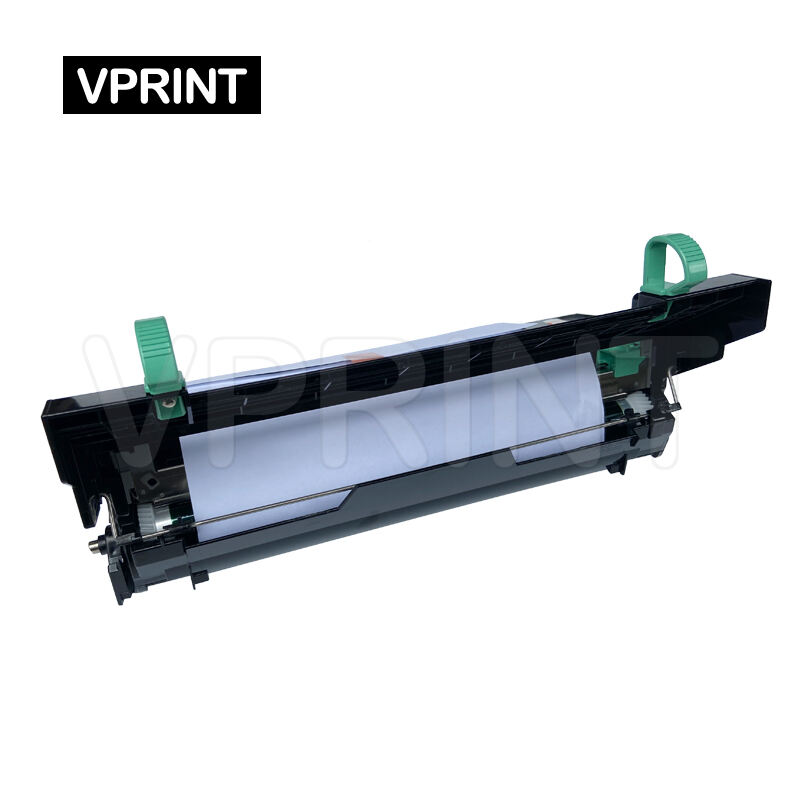
Uzalishaji wa plotter za viwanda unareprezenta sehemu maalum ya sekta ya kuchapisha inayolenga kuzalisha vifaa vya uhakika wa juu na urefu mwingi vinavyoweza kushughulikia michoro ya uhandisi yenye ufanisi na waraka za teknolojia. Vitengo hivi vya uzalishaji vinaunganisha uhandisi wa juu wa miashara pamoja na teknolojia ya kuchapisha yenye ufanisi ili kujenga mfumo wa kuchapisha wenye nguvu unaofaa kwa mahitaji ya juu ya makampuni ya uhandisi, vyuo vya usanifu wa nyumba, na mashirika ya uzalishaji duniani kote.
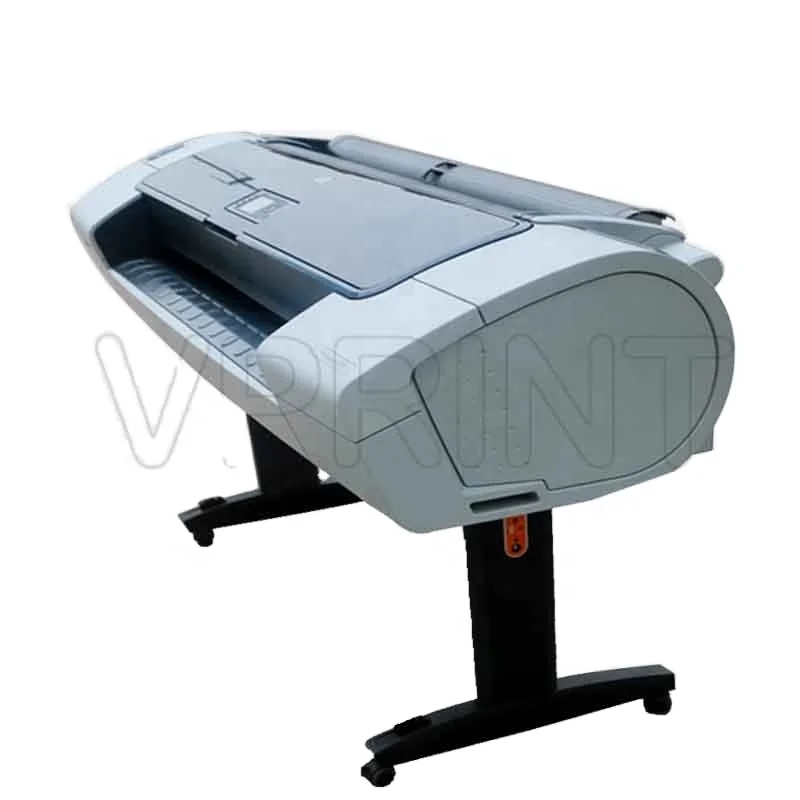
Mazingira ya uzalishaji wa rafu za viwanda inahusisha mchakato wa kujenga kwa undani, mfumo wa kufanya usawazisho wa usahihi, na vitendo vya kudumisha ubora vyote vilivyoundwa ili kuhakikisha kwamba kila kifaa kinatoa matokeo ya usahihi na ya kudumu katika muda mrefu wa uendeshaji. Kuelewa mchakato wa uzalishaji, viwajibikaji vya ubora, na mabadiliko ya teknolojia ndani ya vifungu hivi vya kipekee hutupa taarifa muhimu juu ya uaminifu na vipengele vya utendaji wa vifaa vya rafu za ukubwa mkubwa vinavyotumika katika matumizi ya uhandisi wa kitaaluma.
Mchakato wa Uzalishaji katika Viwanda Plotter Uzalishaji
Kujenga Vipengele vya Usahihi
Viwanja vya uzalishaji wa plotter za viindustriya hutumia mifumo ya kujenga yanayotegemea teknolojia ya juu ambapo wafanyikazi waliotuzwa wanajumuisha vipengele vya kihisani vya usahihi mkubwa na mifumo ya udhibiti wa kielektroniki ya juu. Mchakato wa kujenga huanza na ujenzi wa mfumo mkuu wa mwili, ambao lazima uwe na nguvu ya kusimamia muundo wakati unavyozaa rollo za karatasi zenye uzito na kukuza mizunguko ya mikakati ya kuchora kwenye uso la ukubwa mkubwa.
Kila plotter ya viindustriya hupitia utakatifu wa kina katika mchakato wa kujenga ili kuhakikisha usahihi wa nafasi ya kutoa kwa usahihi mkubwa kote katika eneo la kuchora. Mchakato huo wa utakatifu una jumuisha kuboresha mipaka ya kihisani, kusalign kisensori cha nuru, na kuchapisha mifumo ya udhibiti wa haraka ili kufikia usahihi wa chini ya milimita moja inayohitajika kwa michoro ya kihisani na ramani za uhandisi.
Uingiziano wa vitambaa vya kichwa cha kuprinti kinaonyesha moja ya mada muhimu zaidi katika uzalishaji wa plotters za viwandani. Vipengele hivi vinahitaji kuwekwa kwa usahihi na kujaribiwa kwa makini ili kuhakikisha uboreshaji wa dakika kwa usahihi na ubora wa mistari kwa upana wote wa vyombo vya ukubwa mkubwa. Watengenezaji wa kiufundi wanatumia zana maalum za kusawazisha na zana za kuzima ili kuthibitisha nafasi ya kichwa cha kuprinti kabla ya kumalizia ujenzi wa mwisho.
Miongozo ya Ufuatiliaji wa Ubora na Majaribio
Mifano ya plotters ya viwandani huweka mikakati ya kujaribu yanayojumuisha kila kitu ili kuthibitisha utendaji na uaminifu wa kifaa kwa kutumia mazingira ya kawaida ya kazi. Kila kitu kilichotengenezwa hujaaribiwa kwa kina kuhusu ubora wa kuprinti, ikiwemo majaribio ya usahihi wa mistari, tathmini za usawa wa rangi, na uthibitisho wa kushughulikia vyombo kwa aina mbalimbali za karatasi na uzito wao ambao mara kwa mara hutumika katika matumizi ya uhandisi.
Uchunguzi wa mazingira ya kushinwa unafanya sehemu muhimu ya mchakato wa uhakika wa ubora katika uzalishaji, ukionyesha kila rafiki ya viwanda kwa mabadiliko ya joto, mabadiliko ya unyevu, na hali za vibarabara ambazo zinatofautiana na mazingira ya kawaida ya uwekaji. Uchunguzi huu mkali unahakikisha uendeshaji bora katika mazingira ya viwanda mbalimbali ambapo utendaji wa kudhania kwa usawa ni muhimu sana kwa kuhakikisha kumbukumbu za miradi na mawasiliano ya kisayansi.
Mashakili ya kudumu yanayofanywa ndani ya mazingira ya uzalishaji yajumuisha mzunguko wa muda mrefu wa uendeshaji ulioandaliwa kuhakikisha utekelezaji wa muda mrefu wa vipengele na kupata eneo la kushindwa kabla ya kutolewa kwa bidhaa. Majaribio haya husaidia kuweka mpangilio wa usafi na mapendekezo ya kubadilisha sehemu ambazo huusaidia ubora wa muda mrefu wa uendeshaji katika matumizi ya viwanda yanayotaka juhudi kubwa.
Uingizwaji wa Teknolojia na Uabadilishaji
Mipangilio ya Kudai Kuendesha Mapya
Mafactory za kisasa za plotter za viwandani zimejumuisha teknolojia ya udhibiti ya juu ambayo inawezesha ushirikiano wa sawa kati ya mifumo ya mzunguko ya kiufundi na udhibiti wa kielektroniki wa kuprinti. Mifumo hii ya udhibiti inatumia miongozo ya kisasa ili kuboresha kasi ya kuchora wakati inayotunza mahitaji ya usahihi, kubadilisha muda wa uzalishaji wa hati za uhandisi za ukubwa mkubwa bila kuharibu ubora wa pato.
Ujumuishaji wa vipengele vya uwasiliani wa mtandao ndani ya vituo vya plotter vya viwandani vilivyotengenezwa katika mafactory vinawezesha ujumuishaji wa moja kwa moja na mifumo ya kuvuruga kwa kompyuta na mifumo ya udhibiti wa hati ambayo mara nyingi hutumika katika mazingira ya uhandisi. Wenginee wa mafactory wanajenga suluhu hizi za uwasiliani ili kusaidia protokoli za mawasiliano ya kuzunguka na ya wireless, kuhakikisha uсовместимости na mpangilio tofauti za miundombinu ya IT.
Mifumo ya usakinisho wa kiotomatiki iliyoundwa ndani ya vyombo vya kuchora viwanda vya viendelezo vya viwandani vinachunguza na kusasisha mara kwa mara viparameta muhimu za utendaji wakati wa uendeshaji. Uwezo huu wa kujisimulia unapunguza mahitaji ya usimamizi na kunyasa kudumisha ubora wa matokeo kwa njia ya sawa kote katika muda wa maisha ya kifaa, ikitoa thamani kubwa kwa mashirika yanayotegemea udhibiti wa teknolojia wa sahihi.
Mabadiliko ya Kufanya Kazi ya Vitu
Vifungo vya kuzalisha vyombo vya kuchora viwanda vinajenga mifumo ya kufanya kazi ya vitu isiyofanana ambayo inaweza kushughulikia aina mbalimbali za vitu vilivyotumika katika matumizi ya uhandisi. Mifumo hii inahitaji kushughulikia kwa uaminifu vitu kutoka kwa karatasi ya kawaida hadi kwa karatasi ya kuvutia, filamu za polyester, na vitu vya kisayansi vya kipekee bila kusababisha kuvimba au kuharibu ubora wa kuchapishwa.
Mifumo ya kugundua vyanzo vya habari iliyoundwa katika kiwanda huweka kwa otomatiki sifa za karatasi na kubadilisha viparameta vya kuchora kwa hiyo, kuhakikisha hakuna hitaji la mwelekeo wa kila mtu wakati wa kubadilisha kati ya aina mbalimbali za vitu. Utofauti huu unaharibu mchakato wa kazi na kupunguza uwezekano wa makosa ya mtumiaji ambayo yanaweza kuathiri ubora wa pato au kuharibisha vyanzo vya teknolojia vya ghali.
Mifumo ya kusimamia kipande cha karatasi ya kuvuta iliyojumuishwa wakati wa ujenzi wa kiwanda hufanya kuvuta na kugusa kipande cha karatasi kwa otomatiki, ikisaidia uendelezaji wa kazi kwa vitabu vikubwa bila shirika la mtumiaji. Vipengele hivi vinavyotumiwa hasa katika mazingira ya uhandisi yenye kiasi kikubwa ambapo utajiri na usawa ni mambo muhimu zaidi.
Uwezo wa Utuzi na Usambazaji
Uwezo wa Kuzalisha Kwa Kiasi Kikubwa
Mafactory za kuchapisha viwanda kawaida hufanya kazi kwa uwezo wa kutengeneza kwa njia ya kuvuta na kusimamia kulingana na mahitaji ya soko na mabadiliko ya msimu katika shughuli za sekta ya uhandisi. Vyumba hivi vya uzalishaji mara nyingi hufanya kazi kwa mistari mingi ya kuunganisha ambayo inaweza kufanywa mpangilio tofauti kwa ajili ya mifano tofauti ya vichapisho na vipengele vyao, ikiruhusu kuongeza uwezo wa uzalishaji kwa urahisi bila kubadilisha vyumba vyote.
Mbinu ya kujenga kwa sehemu mbalimbali (modular design) ambayo hutumika katika uuzaji wa vichapisho viwanda vingi huleta uwezo wa kubadilisha mistari ya uzalishaji kwa haraka ili kujumuisha vipengele vipya vya bidhaa au mahitaji ya kubadilisha kwa namna fulani. Uwezo huu unahitajika sana kwa kuhudhuria vipande vya soko vingi ambavyo vinaweza kutaka vipengele maalum au vipengele vya utendaji vilivyofanywa kwa ajili ya matumizi maalum ya viwanda.
Uingiziano wa mpango wa usambazaji katika viwanja vya uzalishaji wa plotter za viindustri huwahusisha mifumo ya u managing ya inventori ambayo inahakikisha upatikanaji wa mara kwa mara ya vipengele muhimu wakati huo huo ukidhoofisha gharama za uhifadhi. Mifumo hii huendeshana na watoa vipengele ili kudumisha mtiririko mzuri wa uzalishaji na kuepuka mafereji yanayoweza kuathiri mizani ya kutuma kwa miradi ya uhandisi inayohitaji wakati maalum.
Kubadilisha na Mahitaji Maalum
Viwanja vingi vya uzalishaji wa plotter za viindustri vinatoa huduma za kubadilisha ambazo zinabadilisha miundo ya kawaida ili kujikidhi mahitaji maalum ya wateja au viashiria vya sekta. Badiliko hili linaweza kujumuisha uwezo wa kushughulikia vitu vya kipekee, ulinzi wa ziada dhidi ya mazingira, au uunganisho na mifumo ya programu zinazotumika katika shughuli maalum za uhandisi.
Mchakato wa kuboresha kwa fabrika unahusisha mjadala unaofanya kwa undani na watumiaji wa mwisho ili kuelewa mahitaji yao maalum ya uendeshaji na vizingiti vya mazingira. Mbinu hii ya kushirikiana inahakikisha kwamba suluhu zilizoboreshwa za plotter za viwandani zinatimiza changamoto zinazotofautiana kwa usahihi wakati wa kudumisha uaminifu na viwango vya utendaji vinavyotarajiwa kutoka kwa vifaa vilivyotengenezwa katika fabrika.
Uthibitisho wa ubora kwa vitengo vya plotter vilivyoboreshwa vya viwandani hutahitaji mbinu maalum za kujaribu ambazo zinathibitisha utendaji chini ya hali na mahitaji maalum ambayo yamegunduliwa wakati wa mchakato wa kuboresha. Mbinu hizi za kujaribu zilizoborolewa zinahakikisha kwamba vitengo vilivyobadilishwa vinakidhi viwango vya utendaji vya kawaida pamoja na mahitaji ya uendeshaji yanayotokana na mteja.
Mitaro ya Kupendeza na Usimamizi
Mahitaji ya Ufuatiliaji wa Sekta
Viwanja vya uzalishaji wa rafu za viwanda vinahitaji kufuata standa za kimataifa mbalimbali na matokeo ya uthibitisho ambayo yanaeleza usalama wa vifaa vya umeme, uwezekano wa ukubaliano wa umeme, na athari za mazingira. Matokeo haya ya uthibitisho yanahakikisha kwamba vifaa vilivyotengenezwa vinaweza kuuza na kutumika kwa sheria katika masoko ya kimataifa tofauti wakati wanakidhi mahitaji ya mitandao ya kihalisi.
Mistari ya kisasa ya ubora wa ISO inaongoza shughuli za kiwanja ili kuhakikisha kuwa taratibu za uzalishaji zinatumika kwa usawa na ubora wa bidhaa unavyohakikishwa kwa kila mzunguko wa uzalishaji. Mistari hii inaamua mahitaji ya kurekodi, udhibiti wa taratibu, na miongozo ya uboreshaji wa mara kwa mara ambayo husaidia kudumisha mistari ya juu ya uzalishaji na kiwango cha kuridhisha wateja.
Sertifikati za mazingira kwa vituo vya uzalishaji wa rafu za viwanda vinahusu mchakato wa uzalishaji na athari ya mazingira ya bidhaa ya mwisho. Sertifikati hizi zinajumuisha ufanisi wa nishati wakati wa kutumika, uwezekano wa kurudisha sehemu kwa matumizi ya tena, na kupunguza vitu visivyo salama katika vitu vilivyotumiwa katika uzalishaji, kwa kufanana na malengo ya ustawi wa kampuni na masharti ya sheria.
Mifumo ya Uhakikisho wa Utendaji
Mifumo ya uthibitisho wa utendaji katika kiwanda hutunza kwamba kila rafu ya viwanda inafikia vipi vya uhakika, kasi, na uaminifu kabla ya kutumwa kwa watumiaji wa mwisho. Mifumo ya uthibitisho hii iko na majaribio ya kiotomatiki ambayo yanasimulia vipimo muhimu vya utendaji na kugundua kutofanya kwa vipi vyote vya kawaida.
Ujifunzaji wa uaminifu wa muda mrefu uliofanywa ndani ya vifaa vya uzalishaji unahusisha mzunguko wa muda mrefu wa uendeshaji chini ya hali zilizochaguliwa ambazo zinavyoonyesha miaka mingi ya matumizi ya kawaida katika muda mfupi. Ujifunzaji huu unaongeza kasi unavyoonyesha mifano ya uvunjivu wa sehemu na kusaidia kuweka matarajio ya wakati wa huduma ya halali kwa vifaa vya kuchora vya viwanda.
Mifumo ya kufuatilia kwenye viwanda vya vifaa vya kuchora vya viwanda hushirikisha rekodi zilizojengwa kwa ukamilifu za asili ya sehemu, mchakato wa kujenga, na matokeo ya majaribio kwa kila kitu kilichotengenezwa. Uthibitisho huu unaosha huduma ya bima, mashauri ya kuboresha ubora, na mahitaji ya kufuata sheria katika mzunguko wote wa maisha ya bidhaa.
Uzalishaji na Usambazaji wa Kimataifa
Vifaa vya Uzalishaji vya Mkoa
Watengenezaji wa ploti za viwandani mara nyingi huendesha maeneo mengi ya kiwanda ili kuhudumia masoko ya kimataifa kwa ufanisi huku wakisimamia gharama za usafirishaji na muda wa uwasilishaji. Vifaa hivi vya kikanda vinaweza kuzingatia uundaji na upimaji wa mwisho huku vikitafuta vipengele vikuu kutoka vituo vya utengenezaji vya kati ambavyo vinafikia uchumi wa kiwango cha juu kwa ajili ya misombo midogo midogo.
Uwezo wa kuzalisha ndani ya viwanda vya mikoa vya kifaa cha kuchora viwango vya viindustri unawezesha ubadilishaji kwa mahitaji ya soko fulani, ikiwa ni pamoja na maelekezo ya umeme, ubadilishaji wa lugha, na kufuata viwajiba vya mikoa. Mbinu hii ya kuzalisha kwa njia ya kugawanyika inasaidia kupunguza muda wa kuelewa kwa wateja wakati inahakikisha kwamba bidhaa zinakidhi viwajiba vya kiutawala na teknolojia vya eneo.
Kushirikiana katika mpango wa ubunifu wa mazao kati ya mahali mengi ya uzalishaji huita mifumo ya uhandisi wa uhamisho wenye uwezo wa kuboresha mgandamizo wa vitu vya kujengwa na kupunguza gharama za kuhifadhiya magazini. Mifumo hii husaidia kudumisha upatikanaji wa bidhaa kwa njia ya mara kwa mara katika mikoa tofauti wakati inayosaidia kanuni za uzalishaji wa 'kwa wakati' ambazo zinapunguza mahitaji ya rasilimali za kazi.
Uhamisho wa Teknolojia na Upeo wa Kipekee
Uhamisho wa teknolojia kati ya mahali pa uzalishaji ya rafiki za viwanda huchangia ubora wa kawaida wa uzalishaji na utendaji wa bidhaa bila kujali kituo cha uzalishaji. Upeo huu wa kipekee unahusisha udhabiti wa mchakato kwa undani, miradi ya mafunzo, na sheria za udhibiti wa ubora ambazo zinadumisha viwango vya kawaida katika mahali yote ya uzalishaji.
Majukumu ya uboreshaji wa kudumu katika mitandao ya uzalishaji wa plotters za viwanda huushirikiana kuhusu mbinu bora na uvumbuzi kote katika mahali popote palipo kuna kiwanda. Mbinu hii ya kushirikiana inaharakisha utekelezaji wa uboreshaji wa uzalishaji na kusaidia kudumisha faida za kishirika katika soko la teknolojia linalobadilika haraka.
Mifumo ya usimamizi wa maarifa katika shughuli za kimataifa za uzalishaji wa plotters za viwanda hujiweka na kusambaza ujuzi wa teknolojia, mbinu za kutatua matatizo, na mbinu za uboreshaji wa ubora kote katika vyanzo vyote vya uzalishaji. Msingi huu wa maarifa uliofungwa unasaidia kutatua matatizo kwa njia ya kawaida na kusaidia kudumisha viwango vya juu vya uzalishaji bila kujali tofauti za ujuzi wa kijiografia.
Maswali Yanayoulizwa Mara kwa Mara
Yafupi gani yanayodeterminisha ubora wa plotter ya viwanda kutoka kwenye kiwanda?
Ubora wa viwanda plotter inategemea usahihi utengenezaji wa sehemu, utaratibu wa kina calibration, kina vipimo itifaki, na kufuata viwango vya kimataifa ubora. Udhibiti wa ubora wa kiwanda ni pamoja na uthibitisho wa usahihi wa mitambo, tathmini ya ubora wa uchapishaji, upimaji wa kudumu, na tathmini ya mafadhaiko ya mazingira ili kuhakikisha utendaji wa kuaminika katika matumizi ya viwandani yanayohitaji.
Jinsi gani viwanda viwanda plotter kuhakikisha utendaji thabiti katika mbalimbali ya uzalishaji kwa ajili ya bidhaa?
Viwanda kudumisha utekelezaji thabiti wa viwanda plotter kwa njia ya utaratibu wa kawaida wa mkutano, mifumo ya automatiska calibration, takwimu mbinu za kudhibiti mchakato, na kundi kwa kundi quality uthibitisho kupima. Mifumo ya kufuatilia sehemu na nyaraka za kina za utengenezaji zinawezesha ufuatiliaji wa mara kwa mara na kutambua haraka mabadiliko yoyote ambayo yanaweza kuathiri ubora wa bidhaa au sifa za utendaji.
Chaguo gani za kuboresha zinapatikana kawaida kutoka kwa vyanzo vya uzalishaji wa plotters za viwandani?
Mafactory ya plotters ya viwandani mara nyingi hutoa huduma za kuboresha ikiwemo mfumo maalum ya kushughulikia vitu vya kuchapisha, vipengele vya kulinda mazingira kwa ufanisi zaidi, chaguo vilivyobadilishwa vya kuunganishwa, na uunganisho na mizizi maalum ya programu. Uwezo wa kuboresha unaweza pia kujumuisha mifano ya utendaji yanayobadilishwa, mfumo maalum wa rangi, na mabadiliko ya kufanya kazi ili kufanana na mahitaji ya sekta fulani au viwadi vya eneo fulani.
Jinsi ya kazi ya garanti ya kuzalisha na huduma za msaada kwa plotters za viwandani ni ipi?
Garanti za kuzalisha kwa plotters za viwandani kawaida huambatia makosa ya uzalishaji, uvimbo wa sehemu, na matatizo ya utendaji kwa muda ulioainishwa baada ya kununua. Huduma za msaada za kuzalisha zinajumuisha msaada wa teknolojia, upatikanaji wa sehemu za kubadilisha, taratibu za kurepair, na mara nyingi huduma kwenye mahali kulingana na mtengenezaji na masharti ya garanti yaliyoainishwa wakati wa kununua.
Orodha ya Maudhui
- Mchakato wa Uzalishaji katika Viwanda Plotter Uzalishaji
- Uingizwaji wa Teknolojia na Uabadilishaji
- Uwezo wa Utuzi na Usambazaji
- Mitaro ya Kupendeza na Usimamizi
- Uzalishaji na Usambazaji wa Kimataifa
-
Maswali Yanayoulizwa Mara kwa Mara
- Yafupi gani yanayodeterminisha ubora wa plotter ya viwanda kutoka kwenye kiwanda?
- Jinsi gani viwanda viwanda plotter kuhakikisha utendaji thabiti katika mbalimbali ya uzalishaji kwa ajili ya bidhaa?
- Chaguo gani za kuboresha zinapatikana kawaida kutoka kwa vyanzo vya uzalishaji wa plotters za viwandani?
- Jinsi ya kazi ya garanti ya kuzalisha na huduma za msaada kwa plotters za viwandani ni ipi?