
 EN
EN
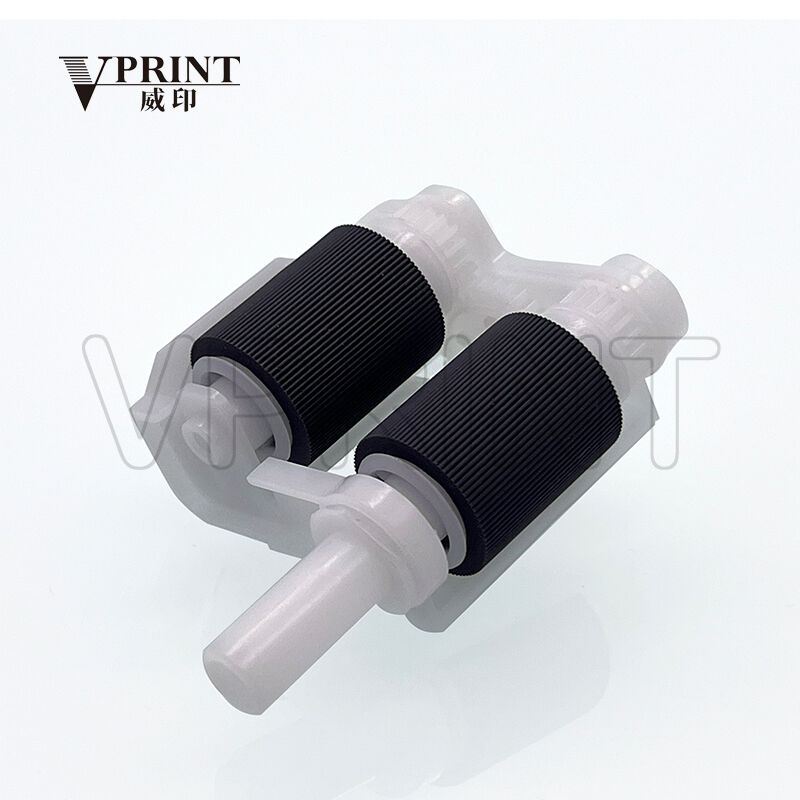
In today's fast-paced business environment, office printing demands have evolved beyond simple document reproduction to encompass high-volume, consistent, and reliable output. The backbone of any robust printing operation lies in the quality and durability of its internal components, particularly the fuser unit. This critical component serves as the heart of laser printing technology, ensuring that toner particles are properly bonded to paper through precise heat and pressure application. For organizations managing heavy-duty printing requirements, selecting the right fuser unit becomes paramount to maintaining operational efficiency and minimizing downtime costs.
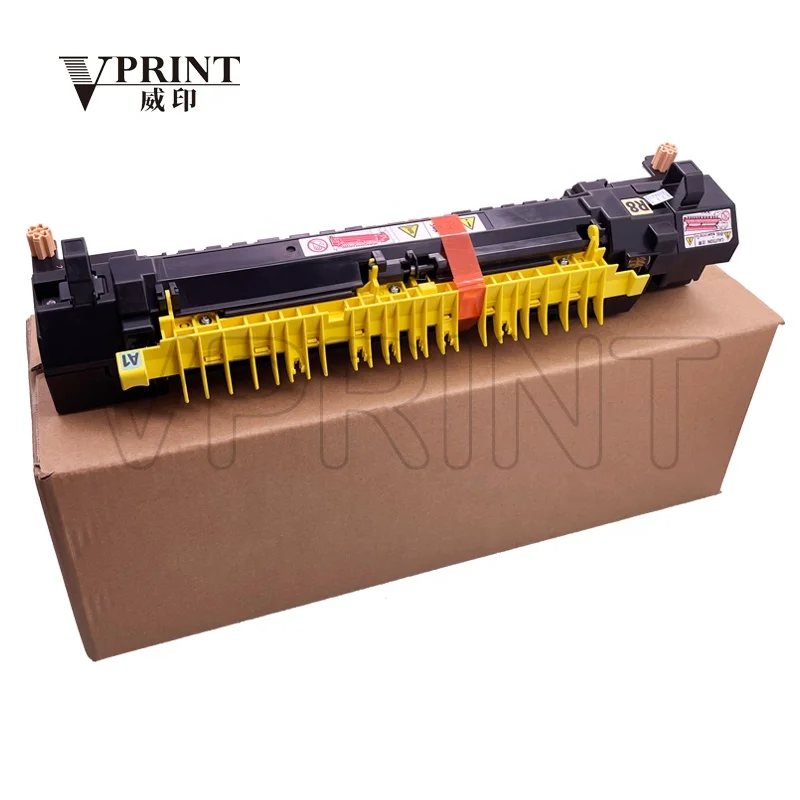
Heavy-duty office environments place extraordinary stress on printing equipment, requiring components that can withstand continuous operation while delivering consistent quality results. The fuser unit plays an essential role in this equation, as it directly impacts print quality, equipment longevity, and overall operational costs. Understanding the importance of high-yield fuser units and their strategic advantages can help businesses make informed decisions that support their long-term printing objectives.
Understanding Fuser Unit Technology and Functionality
Core Components and Operating Principles
The fuser unit operates through a sophisticated combination of heating elements, pressure rollers, and temperature control mechanisms that work together to create permanent bonds between toner and paper. Within this assembly, heated rollers reach temperatures exceeding 180 degrees Celsius, while pressure rollers apply consistent force to ensure uniform toner adhesion. The fuser unit contains thermistors that monitor temperature variations and adjust heating elements accordingly, maintaining optimal operating conditions throughout extended printing sessions.
Modern fuser unit designs incorporate advanced materials and engineering solutions that enhance durability and performance characteristics. Teflon-coated rollers resist toner buildup and reduce maintenance requirements, while ceramic heating elements provide rapid warm-up times and energy-efficient operation. These technological improvements directly translate into reduced operating costs and improved reliability for heavy-duty printing applications.
Heat Distribution and Temperature Management
Effective temperature management within the fuser unit ensures consistent print quality across diverse paper types and weights. Advanced units feature multiple heating zones that can be independently controlled, allowing for optimal temperature distribution across the entire print width. This capability becomes particularly important when processing mixed media types or varying paper sizes within the same print job.
Temperature stability also affects toner consumption and print quality consistency. A properly functioning fuser unit maintains precise temperature control, preventing toner waste and ensuring that each printed page meets quality standards. This consistency becomes crucial in professional environments where document appearance and reliability directly impact business operations.
High-Yield Performance Characteristics
Extended Service Life Benefits
High-yield fuser units are specifically engineered to handle significantly higher page volumes compared to standard components. These units typically feature reinforced internal components, upgraded heating elements, and enhanced cooling systems that enable continuous operation under demanding conditions. The extended service life of these components translates into reduced replacement frequency and lower total cost of ownership for organizations with substantial printing requirements.
The durability advantages of high-yield fuser units become apparent when examining their construction materials and design specifications. Enhanced metal alloys, improved bearing systems, and upgraded electrical components contribute to extended operational lifespans that can exceed standard unit performance by 200-300%. This reliability factor becomes essential for businesses that cannot afford unexpected equipment failures or extended downtime periods.
Capacity and Throughput Advantages
Organizations processing large document volumes require fuser unit components that can maintain consistent performance throughout extended operating cycles. High-yield units are designed with enhanced thermal management systems that prevent overheating and maintain optimal operating temperatures even during continuous printing operations. This capability ensures that print quality remains consistent from the first page to the last, regardless of job size or duration.
The throughput benefits of high-yield fuser units extend beyond simple page counting to encompass quality consistency and operational reliability. These units can process complex print jobs involving various paper weights, sizes, and finishing requirements without compromising performance or requiring frequent maintenance interventions. This versatility proves invaluable for organizations with diverse printing needs and demanding quality standards.
Cost-Effectiveness and Return on Investment
Total Cost of Ownership Analysis
When evaluating fuser unit options for heavy-duty applications, organizations must consider the complete cost structure rather than focusing solely on initial purchase price. High-yield fuser units typically command higher upfront costs but deliver substantial savings through reduced replacement frequency, lower maintenance requirements, and improved operational efficiency. The total cost of ownership analysis should include purchase price, installation costs, energy consumption, maintenance expenses, and productivity impacts.
Operational cost savings from high-yield fuser units often become apparent within the first year of operation. Reduced downtime translates into improved productivity and lower opportunity costs, while extended service intervals minimize maintenance labor expenses. Additionally, the enhanced reliability of high-yield components reduces the risk of unexpected failures that can disrupt critical business operations and result in costly emergency service calls.
Productivity and Efficiency Gains
The productivity advantages of high-yield fuser units extend throughout the entire printing workflow, from initial job processing to final output delivery. These components enable faster processing speeds and reduced warm-up times, allowing organizations to complete large print jobs more efficiently. The improved reliability also means fewer interruptions and restart procedures, maintaining consistent workflow momentum during peak operational periods.
Energy efficiency improvements in modern high-yield fuser units contribute to both cost savings and environmental sustainability objectives. Advanced heating elements and intelligent temperature management systems reduce power consumption while maintaining optimal performance levels. These efficiency gains become increasingly significant for organizations operating multiple high-volume printers or maintaining 24-hour printing operations.
Maintenance and Service Considerations
Preventive Maintenance Requirements
High-yield fuser units require systematic maintenance approaches that differ from standard component care protocols. These units benefit from regular cleaning schedules that remove toner residue and paper dust accumulation, preventing premature wear and maintaining optimal heat transfer efficiency. Professional maintenance teams should inspect heating elements, temperature sensors, and pressure mechanisms at predetermined intervals to ensure continued performance.
The extended service intervals of high-yield fuser units allow organizations to implement more strategic maintenance scheduling that aligns with operational requirements. Rather than frequent reactive maintenance calls, these components support planned service windows that minimize disruption to business operations. This predictability enables better resource allocation and reduces the total cost of maintenance over the component's service life.
Troubleshooting and Diagnostic Capabilities
Modern high-yield fuser units incorporate advanced diagnostic capabilities that provide real-time performance monitoring and early warning systems for potential issues. These features enable proactive maintenance interventions that prevent catastrophic failures and extend component life. Diagnostic data can also help optimize operating parameters and identify opportunities for efficiency improvements.
The sophisticated monitoring systems in high-yield fuser units provide valuable insights into printing patterns, environmental conditions, and usage trends that affect component performance. This information enables organizations to make data-driven decisions about maintenance scheduling, replacement timing, and operational optimization strategies that maximize return on investment.
Selection Criteria for Heavy-Duty Applications
Volume Requirements and Capacity Planning
Selecting the appropriate high-yield fuser unit requires careful analysis of current and projected printing volumes, including peak demand periods and seasonal variations. Organizations should evaluate their monthly page output, average job sizes, and growth projections to ensure that the selected fuser unit can accommodate both current needs and future expansion requirements without compromising performance.
Capacity planning must also consider the diversity of printing applications within the organization, including different paper types, sizes, and finishing requirements. A high-yield fuser unit should demonstrate versatility across the full range of expected applications while maintaining consistent quality standards. This comprehensive approach ensures that the investment provides long-term value across all organizational printing needs.
Environmental and Operating Conditions
The operating environment significantly impacts fuser unit performance and longevity, particularly in heavy-duty applications where equipment operates continuously. Temperature fluctuations, humidity levels, air quality, and ventilation systems all affect component performance and service life. High-yield fuser units designed for demanding environments incorporate enhanced protection against these factors while maintaining optimal internal operating conditions.
Organizations should evaluate their specific environmental conditions and select fuser unit models that incorporate appropriate protection and compensation features. This might include enhanced filtration systems, improved temperature tolerance, or specialized coatings that resist environmental contamination. Proper environmental matching ensures optimal performance and maximizes component service life.
Quality and Performance Standards
Print Quality Consistency
High-yield fuser units must maintain exceptional print quality throughout their extended service life, ensuring that documents produced at the beginning and end of the component's lifecycle meet identical standards. This consistency requirement becomes particularly important for organizations producing professional documents, marketing materials, or regulatory compliance documentation where quality variations are unacceptable.
The quality consistency of high-yield fuser units stems from their robust construction and advanced control systems that compensate for normal wear patterns and environmental variations. These units maintain precise temperature control, uniform pressure distribution, and consistent toner fusion characteristics throughout their operational life. This reliability ensures that organizations can depend on consistent output quality regardless of operating conditions or component age.
Compatibility and Integration Requirements
Modern printing environments often involve complex equipment configurations that require seamless integration between components and systems. High-yield fuser units must demonstrate compatibility with existing printer models, software systems, and workflow processes without requiring extensive modifications or additional investments. This compatibility extends to communication protocols, diagnostic systems, and maintenance procedures that align with organizational standards.
Integration requirements also encompass future upgrade paths and technology evolution within the organization. High-yield fuser units should support anticipated changes in printing technology, communication standards, and operational requirements that may emerge during the component's service life. This forward compatibility ensures that organizations can realize the full return on their investment without premature obsolescence concerns.
FAQ
How often should high-yield fuser units be replaced in heavy-duty printing environments
High-yield fuser units typically require replacement every 300,000 to 500,000 pages, depending on operating conditions and maintenance quality. However, the actual replacement interval depends on factors such as print volume, environmental conditions, paper types used, and adherence to maintenance schedules. Organizations should monitor performance indicators and diagnostic data to determine optimal replacement timing rather than relying solely on page count estimates.
What are the key indicators that a fuser unit needs replacement or maintenance
Common signs indicating fuser unit issues include inconsistent print quality, visible toner smearing or poor adhesion, unusual noises during operation, extended warm-up times, and frequent paper jams. Additionally, diagnostic error messages, temperature fluctuations, and increased energy consumption may signal developing problems. Regular monitoring of these indicators enables proactive maintenance and prevents unexpected failures that could disrupt operations.
Can high-yield fuser units improve energy efficiency compared to standard components
Yes, high-yield fuser units often incorporate advanced energy management technologies that reduce power consumption while maintaining performance levels. These improvements include more efficient heating elements, intelligent temperature control systems, and optimized warm-up sequences that minimize energy waste. The energy savings, combined with extended service life, contribute to lower total operating costs and reduced environmental impact.
Are high-yield fuser units compatible with all printer models and brands
High-yield fuser units are typically designed for specific printer models and may not be universally compatible across different brands or series. Organizations should verify compatibility specifications before purchasing and ensure that the selected fuser unit matches their printer's technical requirements. Working with qualified suppliers who understand equipment specifications helps ensure proper compatibility and optimal performance.
Table of Contents
- Understanding Fuser Unit Technology and Functionality
- High-Yield Performance Characteristics
- Cost-Effectiveness and Return on Investment
- Maintenance and Service Considerations
- Selection Criteria for Heavy-Duty Applications
- Quality and Performance Standards
-
FAQ
- How often should high-yield fuser units be replaced in heavy-duty printing environments
- What are the key indicators that a fuser unit needs replacement or maintenance
- Can high-yield fuser units improve energy efficiency compared to standard components
- Are high-yield fuser units compatible with all printer models and brands