
 EN
EN
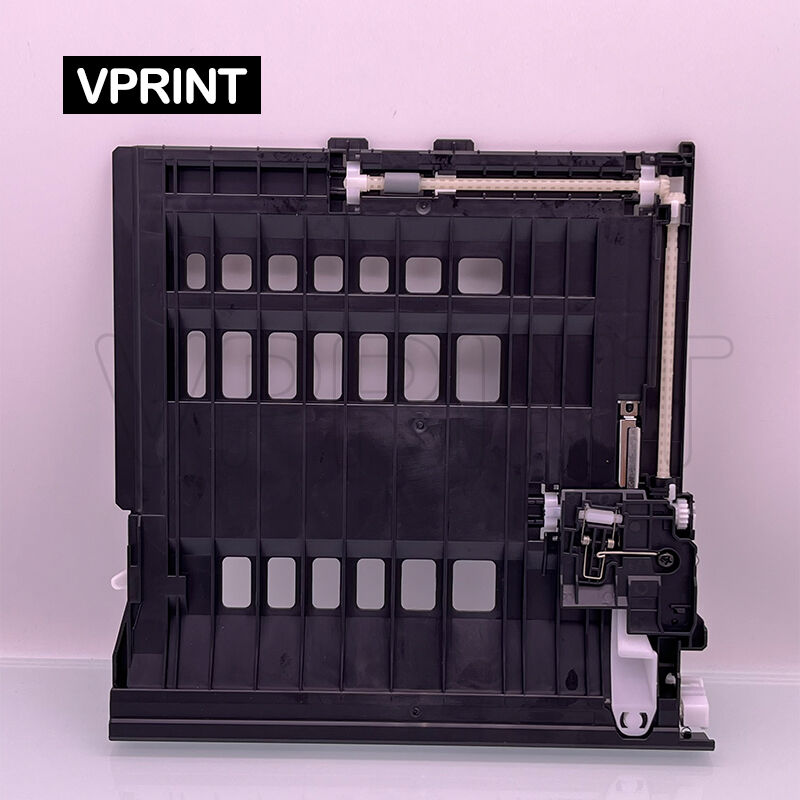
The fuser film plays a critical role in the laser printing process, serving as the essential component that enables proper heat transfer and toner adhesion to paper substrates. Understanding the mechanics and importance of this specialized material is crucial for maintaining optimal print quality and ensuring reliable performance across various printing applications. Modern printing systems rely heavily on precise temperature control and pressure distribution, where the fuser film acts as the primary interface between heated elements and the printed medium.
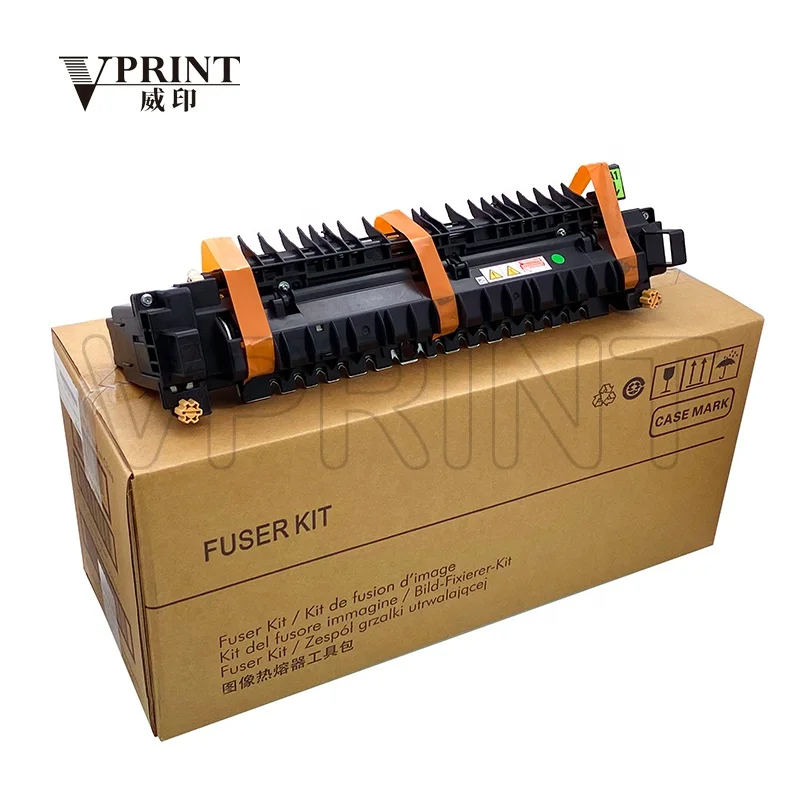
The functionality of the fuser film extends beyond simple heat transfer, encompassing multiple technical aspects that directly impact print durability and image quality. Professional printing environments particularly benefit from high-quality fuser films that maintain consistent performance under demanding operational conditions. The selection of appropriate fuser film materials and specifications can significantly influence both short-term print results and long-term equipment reliability, making this component a cornerstone of successful printing operations.
Technical Fundamentals of Fuser Film Operation
Heat Transfer Mechanisms and Material Properties
The fuser film operates through sophisticated heat transfer mechanisms that require specific material properties to achieve optimal performance. Polyimide-based films typically serve as the foundation for most modern fuser applications, offering exceptional thermal stability and mechanical durability under high-temperature conditions. These materials must withstand continuous exposure to temperatures ranging from 160°C to 220°C while maintaining dimensional stability and surface integrity throughout extended operational cycles.
Thermal conductivity characteristics of the fuser film directly influence heating efficiency and temperature uniformity across the printing surface. Advanced fuser film designs incorporate multiple layers, each engineered to perform specific functions including heat distribution, release properties, and wear resistance. The base substrate provides structural integrity, while specialized coatings enhance non-stick properties and prevent toner adhesion to the film surface during the fusing process.
Material thickness variations in fuser film construction affect both thermal response time and mechanical flexibility. Thinner films typically offer faster thermal response but may compromise durability, while thicker variants provide enhanced longevity at the expense of heating efficiency. Manufacturers must balance these competing requirements to develop fuser film solutions that meet specific application demands and performance expectations.
Pressure Distribution and Contact Dynamics
Effective pressure distribution represents another critical aspect of fuser film functionality, ensuring uniform contact between the heated surface and paper substrate. The fuser film must maintain consistent contact pressure across varying paper thicknesses and surface textures to achieve reliable toner adhesion. This requirement necessitates careful consideration of film flexibility and elastic properties during the design phase.
Dynamic loading conditions during the printing process subject the fuser film to cyclical stress patterns that can lead to fatigue and eventual failure if not properly managed. Advanced film designs incorporate stress-relief features and optimized material compositions to extend operational life and maintain consistent performance characteristics. The interaction between pressure rollers and the fuser film surface creates complex stress distributions that must be analyzed and optimized for each specific printer configuration.
Contact time duration between the fuser film and paper substrate influences both energy transfer efficiency and potential for thermal damage to sensitive materials. Shorter contact times require higher temperatures to achieve adequate toner fusion, while longer dwell times allow for lower operating temperatures but may increase throughput limitations. Optimizing this balance requires careful consideration of fuser film thermal properties and system design parameters.
Impact on Print Quality and Toner Adhesion
Surface Finish and Image Definition
The surface characteristics of the fuser film directly influence final print quality, affecting factors such as gloss level, texture uniformity, and image sharpness. Smooth fuser film surfaces typically produce high-gloss finishes suitable for professional presentations and marketing materials, while textured surfaces can create matte or semi-gloss appearances depending on specific requirements. The relationship between fuser film surface properties and toner particle behavior during the melting process determines the final appearance and tactile qualities of printed materials.
Microscopic surface variations in the fuser film can create corresponding patterns in the printed output, making surface quality control essential for maintaining consistent results. Advanced manufacturing techniques ensure that fuser film surfaces meet stringent flatness and smoothness specifications while avoiding defects that could transfer to printed materials. Quality control processes typically include detailed surface inspections and performance testing under simulated operational conditions.
Color reproduction accuracy depends heavily on uniform heat transfer and consistent toner melting characteristics facilitated by high-quality fuser film performance. Variations in thermal properties or surface conditions can lead to color shifts, density variations, and other quality issues that compromise professional printing applications. The fuser film must maintain stable performance characteristics throughout its operational life to ensure predictable and repeatable print results.
Adhesion Strength and Durability Considerations
Proper toner adhesion strength represents a fundamental requirement for durable printed materials that can withstand handling, environmental exposure, and long-term storage without degradation. The fuser film contributes to adhesion strength through its ability to create optimal melting conditions that allow toner particles to penetrate paper fibers and form strong mechanical bonds. Insufficient heat transfer or uneven temperature distribution can result in poor adhesion and subsequent print durability problems.
Environmental factors such as humidity, temperature variations, and exposure to UV radiation can affect the long-term stability of fused toner images. High-quality fuser film performance helps create robust toner-paper bonds that resist these environmental challenges and maintain image integrity over extended periods. The thermal history experienced during the fusing process influences the molecular structure of melted toner and its subsequent resistance to environmental degradation.
Testing protocols for evaluating toner adhesion typically include abrasion resistance, tape pull tests, and exposure to various environmental conditions. These assessments help validate the effectiveness of different fuser film configurations and identify optimal operating parameters for specific applications. Results from such testing guide both equipment design decisions and operational parameter optimization for end users.
System Integration and Compatibility Factors
Equipment Design Considerations
Successful integration of fuser film components requires careful attention to equipment design parameters including heating element configuration, pressure roller specifications, and control system capabilities. The fuser film must be compatible with existing hardware while providing the performance characteristics necessary to meet print quality and productivity requirements. Dimensional tolerances, mounting methods, and interface specifications all contribute to successful system integration and reliable operation.
Thermal management systems play a crucial role in maintaining optimal fuser film operating conditions and preventing overheating or thermal shock that could damage the film or degrade its performance. Advanced temperature control algorithms monitor multiple sensor inputs and adjust heating power to maintain stable operating conditions despite variations in print job characteristics, ambient conditions, and equipment age. The fuser film must respond predictably to these control inputs to enable effective system operation.
Maintenance requirements and replacement procedures represent important practical considerations for fuser film implementation in production environments. Easy access for inspection and replacement helps minimize downtime and reduces maintenance costs, while robust design characteristics extend replacement intervals and improve overall system reliability. Training requirements for maintenance personnel must also be considered during system design and implementation phases.
Performance Optimization Strategies
Optimizing fuser film performance involves balancing multiple competing requirements including print quality, energy efficiency, throughput capacity, and operational longevity. Advanced control strategies can adjust operating parameters in real-time based on print job characteristics, environmental conditions, and equipment status to maximize performance across all relevant metrics. The fuser film must exhibit stable and predictable behavior across the full range of operating conditions to enable effective optimization.
Predictive maintenance approaches utilize sensor data and performance monitoring to identify potential fuser film degradation before it affects print quality or causes equipment failures. These strategies require detailed understanding of fuser film wear patterns and failure modes to develop effective monitoring algorithms and replacement schedules. Implementation of such systems can significantly improve equipment availability and reduce unexpected downtime costs.
Energy efficiency optimization focuses on minimizing power consumption while maintaining required performance levels, which often involves careful tuning of fuser film operating parameters and thermal management strategies. Modern systems can achieve substantial energy savings through intelligent control of heating cycles, standby modes, and thermal recovery processes. The fuser film thermal characteristics play a critical role in determining the effectiveness of these energy-saving measures.
Maintenance and Troubleshooting Guidelines
Preventive Maintenance Protocols
Regular inspection and maintenance of fuser film components helps identify potential issues before they impact print quality or cause equipment damage. Visual inspection procedures should include checking for surface wear, contamination, wrinkles, or other physical damage that could affect performance. Establishing regular inspection schedules based on page count, operating hours, or calendar intervals helps ensure consistent maintenance attention and early problem detection.
Cleaning procedures for fuser film surfaces require careful selection of appropriate cleaning materials and techniques to avoid damage while effectively removing accumulated contaminants. Improper cleaning methods can scratch or chemically damage the fuser film surface, leading to print quality problems and premature replacement requirements. Training maintenance personnel in proper cleaning procedures and providing appropriate cleaning supplies helps ensure effective maintenance practices.
Documentation of maintenance activities and performance observations provides valuable data for optimizing maintenance schedules and identifying recurring issues that might indicate design problems or operational concerns. Detailed maintenance logs help establish patterns and trends that can guide preventive maintenance decisions and support warranty claims or technical support requests when necessary.
Common Issues and Resolution Strategies
Wrinkled or damaged fuser film surfaces typically result from mechanical stress, improper installation, or excessive operating temperatures that exceed material limits. Identifying the root cause of such damage helps prevent recurrence and guides selection of appropriate replacement materials or operating parameter adjustments. Addressing underlying causes rather than simply replacing damaged components improves long-term reliability and reduces maintenance costs.
Contamination of fuser film surfaces can result from toner residue, paper debris, or environmental contaminants that accumulate during normal operation. Different types of contamination require specific cleaning approaches and may indicate opportunities for operational improvements such as better paper quality control or enhanced filtration systems. Understanding contamination sources helps develop effective prevention strategies and maintenance procedures.
Temperature-related issues often manifest as inconsistent print quality, poor toner adhesion, or visible damage to printed materials. Proper diagnosis requires understanding the relationship between fuser film temperature distribution, control system operation, and print quality characteristics. Systematic troubleshooting approaches help identify whether problems originate from the fuser film itself, control system malfunctions, or other system components.
Future Developments and Technology Trends
Advanced Material Technologies
Emerging material technologies promise significant improvements in fuser film performance, durability, and environmental sustainability. Nanocomposite materials offer enhanced thermal conductivity and mechanical properties while maintaining the flexibility and surface characteristics required for effective printing applications. Research into advanced polymer formulations continues to identify new material combinations that can extend operational life and improve performance under demanding conditions.
Sustainable material development focuses on reducing environmental impact through improved recyclability, reduced manufacturing energy requirements, and extended operational life. Bio-based polymers and recycled content materials are being evaluated for fuser film applications, although performance requirements limit the immediate applicability of many sustainable alternatives. Continued research and development efforts aim to identify environmentally friendly materials that can meet demanding performance specifications.
Smart material concepts incorporate sensing capabilities directly into fuser film structures, enabling real-time monitoring of temperature distribution, wear patterns, and performance characteristics. These advanced materials could revolutionize maintenance practices and optimization strategies by providing detailed operational data that is currently unavailable. Implementation challenges include cost considerations, manufacturing complexity, and integration with existing equipment designs.
Integration with Digital Printing Evolution
The continued evolution of digital printing technologies creates new requirements and opportunities for fuser film development. Higher resolution printing demands more precise temperature control and surface quality, while increased printing speeds require enhanced thermal response and mechanical durability. Variable data printing applications may benefit from adaptive fuser film technologies that can optimize performance for different content types within single print jobs.
Multi-material printing capabilities represent an emerging application area where fuser film technology must accommodate diverse substrate materials and specialized toners with varying thermal requirements. Flexible packaging, textiles, and other non-traditional printing substrates challenge conventional fuser film designs and may drive development of specialized solutions for specific market segments.
Automation and artificial intelligence integration in printing systems creates opportunities for intelligent fuser film management that can optimize performance, predict maintenance needs, and adapt to changing operational requirements. These advanced control capabilities require fuser film components that can respond predictably to automated adjustments while providing feedback data to support optimization algorithms.
FAQ
How often should fuser film be replaced in high-volume printing environments
Replacement frequency for fuser film in high-volume environments typically ranges from 100,000 to 300,000 page cycles, depending on print characteristics, paper types, and operating conditions. Regular monitoring of print quality indicators such as gloss uniformity, toner adhesion, and surface defects helps determine optimal replacement timing. Establishing replacement schedules based on actual performance rather than fixed intervals often provides better cost-effectiveness and reliability.
What factors affect fuser film thermal efficiency and energy consumption
Thermal efficiency of fuser film systems depends on material properties, thickness specifications, surface conditions, and contact pressure distribution. Proper temperature control, minimal thermal mass, and effective insulation contribute to energy efficiency while maintaining required performance levels. Regular maintenance and calibration of temperature sensors and control systems help optimize energy consumption throughout the equipment operational life.
How can print quality issues related to fuser film be diagnosed and resolved
Systematic diagnosis of fuser film-related print quality issues involves examining specific defect patterns, temperature measurements, and operational parameters to identify root causes. Common indicators include poor toner adhesion, uneven gloss levels, surface contamination marks, and temperature-related defects. Resolution strategies may involve parameter adjustments, cleaning procedures, or component replacement depending on the specific nature and severity of identified problems.
What safety considerations apply to fuser film maintenance and replacement procedures
Safety protocols for fuser film maintenance must address high-temperature hazards, electrical safety, and proper handling of potentially sharp or fragile components. Allowing adequate cooling time before maintenance activities, using appropriate personal protective equipment, and following manufacturer lockout procedures help prevent injuries. Training maintenance personnel in proper safety procedures and providing appropriate tools and equipment support safe and effective maintenance practices.
Table of Contents
- Technical Fundamentals of Fuser Film Operation
- Impact on Print Quality and Toner Adhesion
- System Integration and Compatibility Factors
- Maintenance and Troubleshooting Guidelines
- Future Developments and Technology Trends
-
FAQ
- How often should fuser film be replaced in high-volume printing environments
- What factors affect fuser film thermal efficiency and energy consumption
- How can print quality issues related to fuser film be diagnosed and resolved
- What safety considerations apply to fuser film maintenance and replacement procedures