
 EN
EN

When your printer starts producing smudged documents, wrinkled pages, or jamming frequently, many business owners immediately assume they need to purchase an entirely new machine. However, these common printing issues often stem from a single component failure rather than total system breakdown. Understanding the role of critical printer components like the fuser unit can save your organization thousands of dollars in unnecessary equipment purchases. Instead of discarding your entire printing system, replacing a faulty fuser unit typically resolves most print quality problems at a fraction of the cost of buying new hardware.
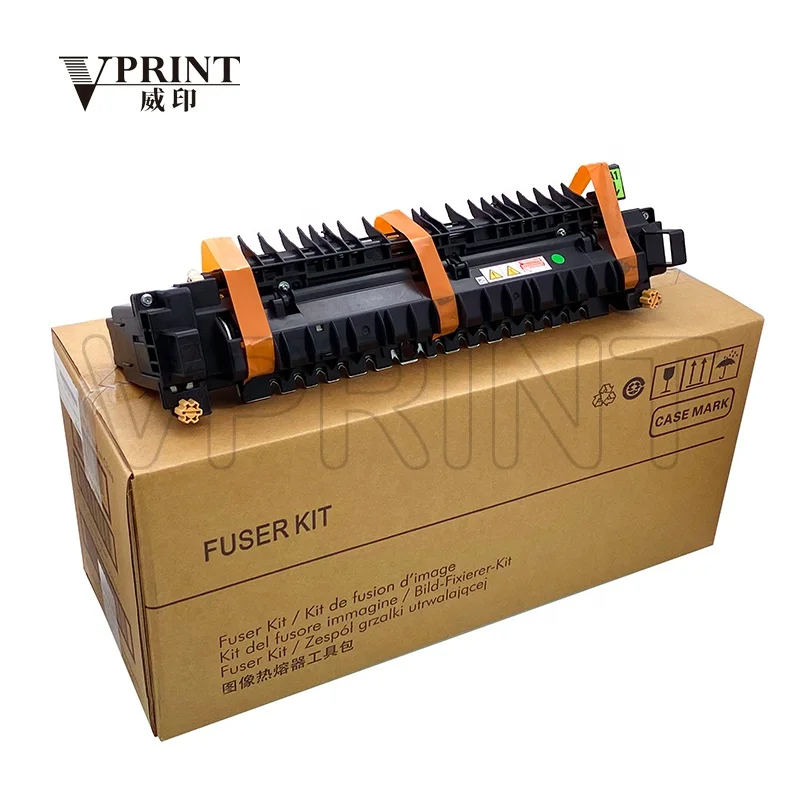
The printing industry has evolved significantly over the past decade, with manufacturers designing modular systems that allow for component-level repairs and maintenance. This approach benefits both consumers and the environment by extending equipment lifespan and reducing electronic waste. Modern office printers, particularly high-volume models from leading manufacturers, incorporate replaceable components that can restore optimal performance without requiring complete system replacement. The fuser unit represents one of the most critical yet replaceable elements in laser printing technology.
Understanding Fuser Unit Functionality in Modern Printers
Heat Distribution and Paper Processing
The fuser unit operates as the final stage in laser printing, applying precise heat and pressure to permanently bond toner particles to paper surfaces. This component contains heating elements, pressure rollers, and temperature sensors that work together to ensure consistent print quality across various paper types and weights. When functioning properly, the fuser unit maintains optimal temperature ranges between 180-200 degrees Celsius, creating the necessary conditions for toner adhesion without damaging delicate paper fibers.
Temperature control within the fuser unit requires sophisticated monitoring systems that adjust heating levels based on paper thickness, ambient conditions, and printing speed. Advanced models incorporate thermistors and thermal fuses that prevent overheating while maintaining consistent performance throughout extended printing sessions. The precision engineering behind modern fuser units allows for rapid warm-up times and energy-efficient operation, contributing to overall system reliability and reduced operational costs.
Component Integration and System Performance
Within the broader printer architecture, the fuser unit interfaces with multiple subsystems including paper feed mechanisms, toner delivery systems, and control electronics. This integration ensures synchronized operation where timing, temperature, and pressure align perfectly for optimal print results. The fuser unit communicates continuously with the printer's main controller, receiving commands for temperature adjustments, speed modifications, and maintenance alerts.
The modular design of contemporary fuser units facilitates straightforward replacement procedures that typically require minimal technical expertise. Manufacturers engineer these components with user-friendly installation features including alignment guides, connector systems, and safety mechanisms that prevent improper installation. This accessibility reduces maintenance costs and minimizes downtime associated with professional service calls, making component replacement an economically viable alternative to equipment replacement.
Cost Analysis Between Component Replacement and New Equipment
Direct Financial Comparison
Purchasing a replacement fuser unit typically costs between 15-25% of a new printer's retail price, depending on the specific model and manufacturer. High-end commercial printers that retail for $3,000-$8,000 can often be restored to full functionality with fuser unit replacements costing $400-$1,200. This substantial cost differential becomes even more pronounced when considering enterprise-level equipment where new systems may cost $15,000-$30,000, while fuser unit replacement remains under $2,000 in most cases.
Beyond the immediate purchase price savings, component replacement eliminates associated costs such as equipment disposal fees, installation charges, network reconfiguration, and staff retraining. New printer installations often require professional setup services, driver installations across multiple workstations, and integration with existing document management systems. These hidden costs can add 20-30% to the total investment, making the financial advantage of fuser unit replacement even more compelling for budget-conscious organizations.
Long-term Economic Impact
The economic benefits of strategic component replacement extend beyond immediate cost savings to include improved asset utilization and extended equipment lifecycles. Organizations that implement proactive maintenance programs, including timely fuser unit replacement, typically achieve 40-60% longer operational periods from their printing equipment. This extended lifespan dramatically improves return on investment calculations and reduces the frequency of major capital expenditures.
Depreciation schedules also favor component replacement strategies, as businesses can continue utilizing fully depreciated equipment rather than acquiring new assets that require immediate capital allocation. The accounting advantages include reduced balance sheet impact, improved cash flow management, and the ability to allocate saved capital toward revenue-generating activities rather than infrastructure replacement. These financial benefits compound over time, particularly for organizations operating multiple printing systems across different locations.
Identifying When Fuser Unit Replacement is Necessary
Common Symptoms and Diagnostic Indicators
Recognizing the early warning signs of fuser unit deterioration enables proactive replacement before complete failure disrupts business operations. Typical symptoms include vertical streaking on printed pages, toner smudging that transfers when touched, inconsistent print density across page areas, and frequent paper jams near the exit rollers. These issues progressively worsen as the fuser unit's heating elements lose efficiency and pressure rollers develop surface irregularities.
Advanced diagnostic techniques involve examining print samples under magnification to identify specific failure patterns that indicate fuser unit problems versus other component issues. Professional technicians use thermal imaging equipment to detect temperature variations across the fuser unit surface, while page count monitoring helps predict replacement timing based on manufacturer specifications. Most modern printers include built-in diagnostic routines that generate detailed reports highlighting component wear levels and recommended maintenance schedules.
Performance Degradation Patterns
The deterioration process for fuser units follows predictable patterns that allow for strategic replacement planning. Initial symptoms typically appear gradually, beginning with minor print quality inconsistencies that may be attributed to other factors. As wear progresses, problems become more frequent and severe, eventually leading to complete printing failure. Understanding this progression enables organizations to schedule replacement during convenient periods rather than responding to emergency breakdowns.
Temperature-related failures represent the most common fuser unit problems, often manifesting as insufficient heat application that prevents proper toner bonding. Mechanical wear affecting pressure rollers creates different symptoms, including uneven print density and paper handling difficulties. Environmental factors such as humidity levels, dust accumulation, and usage patterns significantly influence the rate of fuser unit degradation, making regular monitoring essential for optimal timing of replacement procedures.
Installation and Maintenance Considerations
Professional Installation versus DIY Approaches
Modern fuser unit designs accommodate both professional installation and user-level replacement procedures, depending on the specific printer model and organizational capabilities. Many manufacturers provide detailed installation guides with step-by-step instructions, safety precautions, and troubleshooting information that enable competent technical staff to perform replacements internally. This capability reduces service costs and provides greater scheduling flexibility for maintenance activities.
However, certain high-end commercial systems require specialized tools, calibration procedures, or safety certifications that necessitate professional service intervention. The decision between internal and external installation should consider factors including warranty implications, staff technical expertise, available tools, and the complexity of the specific fuser unit design. Organizations with dedicated IT support teams often develop internal capabilities for routine component replacement while maintaining service contracts for complex repairs.
Preventive Maintenance Strategies
Implementing comprehensive preventive maintenance programs significantly extends fuser unit lifespan and improves overall printer reliability. Regular cleaning procedures remove dust and debris that can interfere with temperature sensors and mechanical components. Proper paper handling practices, including using manufacturer-recommended paper weights and avoiding damaged or wrinkled sheets, reduce mechanical stress on fuser unit components.
Environmental controls play a crucial role in fuser unit longevity, with optimal operating conditions including consistent temperature ranges, controlled humidity levels, and adequate ventilation around printing equipment. Organizations that maintain detailed usage logs can identify patterns that accelerate component wear and adjust operational procedures accordingly. Predictive maintenance approaches using IoT sensors and analytics platforms enable real-time monitoring of fuser unit performance parameters, facilitating optimal replacement timing and preventing unexpected failures.
Environmental and Sustainability Benefits
Waste Reduction and Resource Conservation
Component-level replacement strategies align with corporate sustainability initiatives by dramatically reducing electronic waste generation. When entire printers are discarded due to single component failures, valuable materials including metals, plastics, and rare earth elements enter waste streams unnecessarily. Replacing only the failed fuser unit preserves the remaining functional components, extending their useful life and reducing demand for new raw materials.
The manufacturing energy required to produce a complete printer system far exceeds that needed for individual component production. By choosing fuser unit replacement over new equipment purchases, organizations reduce their indirect carbon footprint associated with manufacturing processes, transportation, and packaging. This approach supports circular economy principles by maximizing resource utilization and minimizing waste generation throughout the equipment lifecycle.
Corporate Responsibility and Environmental Compliance
Many organizations face increasing pressure to demonstrate environmental stewardship through measurable waste reduction and resource conservation initiatives. Strategic component replacement programs provide quantifiable environmental benefits that support sustainability reporting requirements and corporate social responsibility goals. These programs often exceed regulatory compliance standards while generating positive stakeholder perception and potential cost savings through waste reduction incentives.
Environmental management systems benefit from documented component replacement procedures that track material flows, waste generation, and resource utilization metrics. Organizations can establish baseline measurements and improvement targets related to equipment lifecycle extension and waste reduction. These metrics support environmental certification processes and provide competitive advantages in markets where sustainability considerations influence purchasing decisions.
FAQ
How long does a typical fuser unit last in commercial printing environments
Most commercial-grade fuser units are designed to handle between 100,000 to 300,000 pages depending on the printer model, usage patterns, and maintenance quality. High-volume environments with consistent daily usage often achieve longer component life compared to intermittent use patterns that cause frequent heating and cooling cycles. Proper maintenance, including regular cleaning and environmental controls, can extend fuser unit lifespan by 20-40% beyond manufacturer specifications.
What are the main differences between OEM and aftermarket fuser units
OEM (Original Equipment Manufacturer) fuser units typically offer guaranteed compatibility, warranty coverage, and performance specifications that match original equipment standards. Aftermarket alternatives often provide cost savings of 30-50% while delivering comparable performance and reliability. The choice between OEM and aftermarket options should consider factors including warranty requirements, quality standards, and long-term support availability from the component supplier.
Can replacing a fuser unit void my printer warranty
Warranty implications vary by manufacturer and specific warranty terms, but most modern printer warranties allow user replacement of consumable components including fuser units. However, damage caused by improper installation or use of non-approved components may void warranty coverage for related repairs. It's recommended to review warranty documentation and consult with manufacturers before proceeding with component replacement to ensure compliance with warranty requirements.
What tools and safety precautions are required for fuser unit installation
Basic fuser unit replacement typically requires only standard tools such as screwdrivers and may include specialized clips or handles provided with the replacement component. Safety precautions are critical due to high operating temperatures, requiring the printer to be powered off and cooled for at least 30 minutes before beginning installation. Personal protective equipment including heat-resistant gloves and eye protection should be used when handling fuser units, and proper grounding procedures prevent static electricity damage to sensitive electronic components.