
 EN
EN
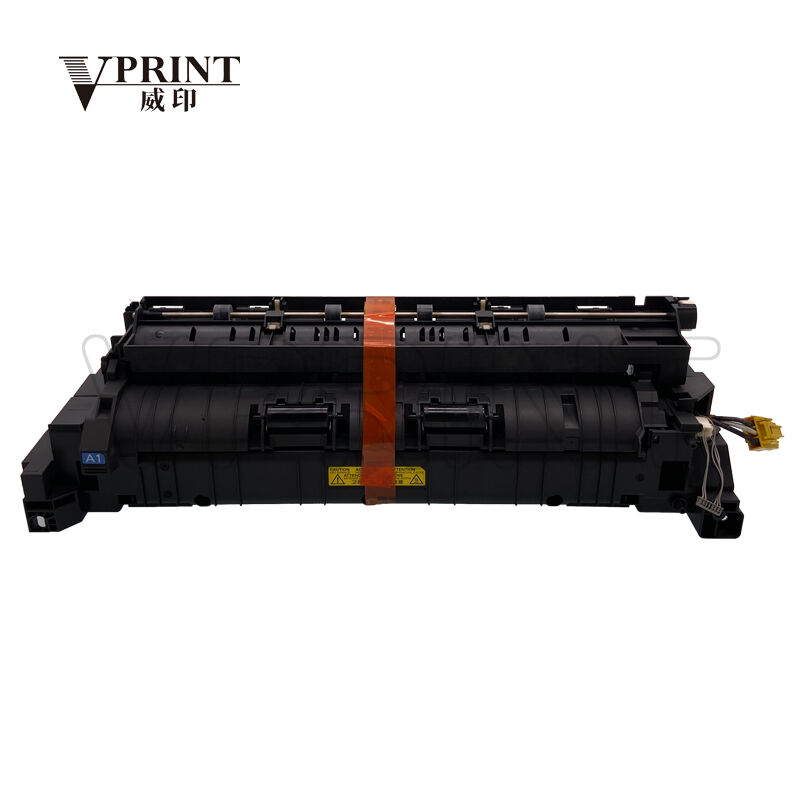
When your HP laser printer starts producing smudged prints, wrinkled pages, or faint text, it may be time to consider HP fuser replacement. The fuser unit is a critical component that bonds toner to paper using heat and pressure, and when it fails, print quality deteriorates significantly. Understanding the costs associated with replacing this essential part can help businesses and individuals make informed decisions about printer maintenance and budget allocation.
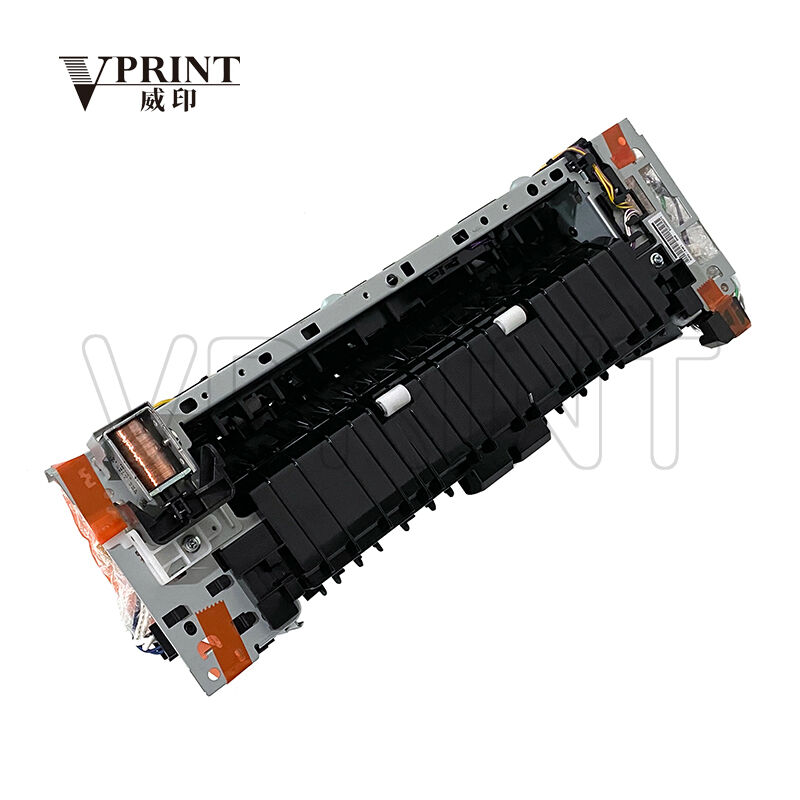
The expense of HP fuser replacement varies considerably depending on several factors including printer model, fuser type, and where you purchase the replacement unit. Professional-grade laser printers typically require more expensive fuser assemblies compared to entry-level models. Additionally, the choice between original equipment manufacturer parts, compatible alternatives, and refurbished units significantly impacts the total investment required for this essential maintenance task.
Understanding HP Fuser Unit Pricing Structure
Original Equipment Manufacturer Costs
Original HP fuser units represent the premium option for HP fuser replacement, typically commanding the highest prices in the market. These genuine components are manufactured to exact specifications and come with full warranty coverage from Hewlett-Packard. For popular business models like the LaserJet P2035 and P2055 series, original fuser units can range from $150 to $300 depending on the specific model and regional pricing variations.
The premium pricing of OEM fuser units reflects their rigorous quality control processes, guaranteed compatibility, and comprehensive testing protocols. These units often include updated firmware and design improvements that address known issues from previous generations. While the initial investment is substantial, original equipment typically provides the longest service life and most reliable performance, making them cost-effective for high-volume printing environments.
Compatible and Alternative Options
Third-party manufacturers offer compatible fuser units that provide significant cost savings for HP fuser replacement projects. These alternatives typically cost 30-50% less than original equipment while maintaining acceptable quality standards for most business applications. Compatible units undergo independent testing to ensure proper fit and function with specific HP printer models, though warranty terms may differ from OEM offerings.
Quality varies among third-party suppliers, making vendor selection crucial for successful HP fuser replacement outcomes. Reputable manufacturers provide detailed specifications, compatibility charts, and customer support to ensure proper installation and operation. Some suppliers offer extended warranties or satisfaction guarantees to build confidence in their alternative products, helping offset concerns about non-original components.
Labor and Installation Considerations
Professional Service Costs
Professional installation adds another layer of expense to HP fuser replacement projects, particularly for businesses lacking internal technical expertise. Certified technicians typically charge between $75 and $150 per hour for printer repair services, with fuser replacement generally requiring 30-60 minutes depending on printer complexity and accessibility. Some service providers offer flat-rate pricing for common procedures like HP fuser replacement to provide cost predictability.
The value of professional installation extends beyond simple part replacement, as experienced technicians can diagnose related issues, perform preventive maintenance, and optimize printer settings for improved performance. They also handle proper disposal of old fuser units according to environmental regulations and can provide valuable maintenance recommendations to extend the life of the new component.
Do-It-Yourself Installation Benefits
Many HP printer models are designed for user-serviceable HP fuser replacement, eliminating labor costs and providing immediate availability when replacement units are on hand. Manufacturer documentation and online resources provide step-by-step instructions for safe and effective fuser installation. This approach works particularly well for businesses with dedicated IT staff or individuals comfortable with basic mechanical procedures.
Self-installation requires careful attention to safety protocols, as fuser units operate at high temperatures and may retain heat even after printer shutdown. Proper handling techniques and adequate cooling time prevent injury and component damage during the replacement process. Additionally, maintaining detailed records of installation dates and part numbers helps track maintenance schedules and warranty periods for future reference.
Long-Term Cost Analysis and Planning
Lifecycle and Replacement Frequency
Understanding the expected lifespan of fuser units helps businesses plan for future HP fuser replacement expenses and budget accordingly. Most HP fuser assemblies are rated for 100,000 to 200,000 pages depending on the specific model and operating conditions. High-volume environments may require more frequent replacement, while light-duty applications can extend component life significantly beyond manufacturer ratings.
Environmental factors such as temperature, humidity, and paper quality directly impact fuser longevity and influence replacement timing. Offices with controlled climates and high-quality paper typically achieve better component life, while challenging conditions may accelerate wear and necessitate earlier HP fuser replacement. Monitoring print quality indicators and maintaining usage logs helps predict optimal replacement timing before complete failure occurs.
Bulk Purchasing and Inventory Management
Organizations operating multiple identical printer models can realize significant cost savings through bulk purchasing of fuser units and strategic inventory management. Volume discounts from suppliers can reduce per-unit costs by 10-25% compared to individual purchases, improving the overall economics of HP fuser replacement programs. However, this approach requires careful balance between cost savings and inventory carrying costs.
Proper storage conditions are essential for maintaining fuser unit quality during extended inventory periods, as temperature extremes and humidity can degrade component performance before installation. Implementing first-in-first-out rotation systems and regular inventory audits ensures optimal component condition when HP fuser replacement becomes necessary. Additionally, tracking warranty periods and supplier terms helps maximize value from bulk purchasing arrangements.
Hidden Costs and Additional Considerations
Shipping and Handling Expenses
The physical size and weight of fuser assemblies often result in substantial shipping costs that must be factored into HP fuser replacement budgets. Express delivery options for urgent replacements can add $50-100 to the total project cost, while standard shipping may delay critical repairs. Some suppliers offer free shipping thresholds that make bulk ordering more attractive from a total cost perspective.
International shipping introduces additional complexities including customs duties, extended delivery times, and potential damage risks during transit. Domestic suppliers may command premium pricing but provide faster delivery and simplified logistics for time-sensitive HP fuser replacement situations. Evaluating total landed costs rather than just unit prices ensures accurate cost comparisons between suppliers and shipping options.
Downtime and Productivity Impact
The indirect costs of printer downtime during HP fuser replacement often exceed the direct component and labor expenses, particularly in business-critical printing environments. Lost productivity, delayed deliverables, and customer service impacts can generate substantial hidden costs that traditional accounting methods may not capture. Quantifying these factors helps justify investment in preventive maintenance and backup equipment strategies.
Minimizing downtime requires careful coordination of parts availability, technical resources, and operational schedules to reduce business disruption. Some organizations maintain spare fuser units on-site to enable immediate replacement when failure occurs, trading inventory costs for operational continuity. Alternative printing arrangements or backup equipment can provide temporary solutions while HP fuser replacement procedures are completed.
Cost Optimization Strategies
Preventive Maintenance Programs
Implementing comprehensive preventive maintenance programs can significantly extend fuser life and reduce the frequency of HP fuser replacement requirements. Regular cleaning, proper paper handling, and environmental control help maximize component longevity while maintaining consistent print quality. These programs typically cost less than reactive replacement strategies while providing better operational predictability.
Training staff on proper printer operation and basic maintenance procedures reduces unnecessary wear and prevents premature failure of fuser components. Simple practices like using appropriate paper grades, avoiding overloading paper trays, and maintaining proper ventilation can double or triple fuser lifespan in many applications. Documentation of maintenance activities and performance metrics helps refine procedures and optimize HP fuser replacement scheduling.
Vendor Relationship Management
Developing strategic relationships with reliable suppliers can provide significant advantages in HP fuser replacement cost management and service quality. Long-term partnerships often include volume discounts, priority service, extended warranties, and technical support that add value beyond simple price considerations. Regular communication with vendors helps stay informed about new products, obsolescence schedules, and market trends affecting component availability.
Diversifying supplier relationships reduces dependency risks while maintaining competitive pressure on pricing and service levels. Evaluating vendor performance regularly ensures continued alignment with organizational needs and market conditions. Some suppliers offer comprehensive service agreements that include HP fuser replacement as part of broader maintenance packages, potentially simplifying procurement and budgeting processes.
FAQ
How much does HP fuser replacement typically cost for common business printers
The cost of HP fuser replacement varies significantly based on printer model and component source. For popular business models like the LaserJet P2035 and P2055 series, original HP fuser units range from $150-300, while compatible alternatives cost $75-150. Professional installation adds $50-150 in labor charges, though many units are designed for user installation.
How often do HP fuser units need replacement in typical office environments
Most HP fuser units are rated for 100,000-200,000 pages depending on the specific model and operating conditions. In typical office environments with moderate usage, this translates to 2-4 years between replacements. High-volume environments may require annual HP fuser replacement, while light-duty applications can extend component life well beyond manufacturer ratings.
What are the signs that indicate HP fuser replacement is needed
Common indicators for HP fuser replacement include smudged or streaked prints, wrinkled or creased pages, faint or incomplete text, and toner not properly adhering to paper. Some printers display specific error messages when fuser components reach end-of-life. Addressing these symptoms promptly prevents further damage to other printer components and maintains print quality.
Can I save money by choosing compatible fuser units instead of original HP parts
Compatible fuser units typically cost 30-50% less than original HP components while providing acceptable performance for most applications. Quality varies among suppliers, so choosing reputable manufacturers with good warranties is essential. For high-volume or mission-critical applications, original equipment may provide better long-term value despite higher initial costs for HP fuser replacement projects.