
 EN
EN
Educational institutions face mounting pressure to provide high-quality learning materials while managing tight budgets and operational constraints. The demand for cost-effective document reproduction has led many schools, colleges, and universities to explore wholesale duplicator machines as a strategic solution for their printing and copying needs. These specialized devices offer educational facilities the opportunity to produce large volumes of documents at significantly reduced per-page costs compared to traditional copying methods.
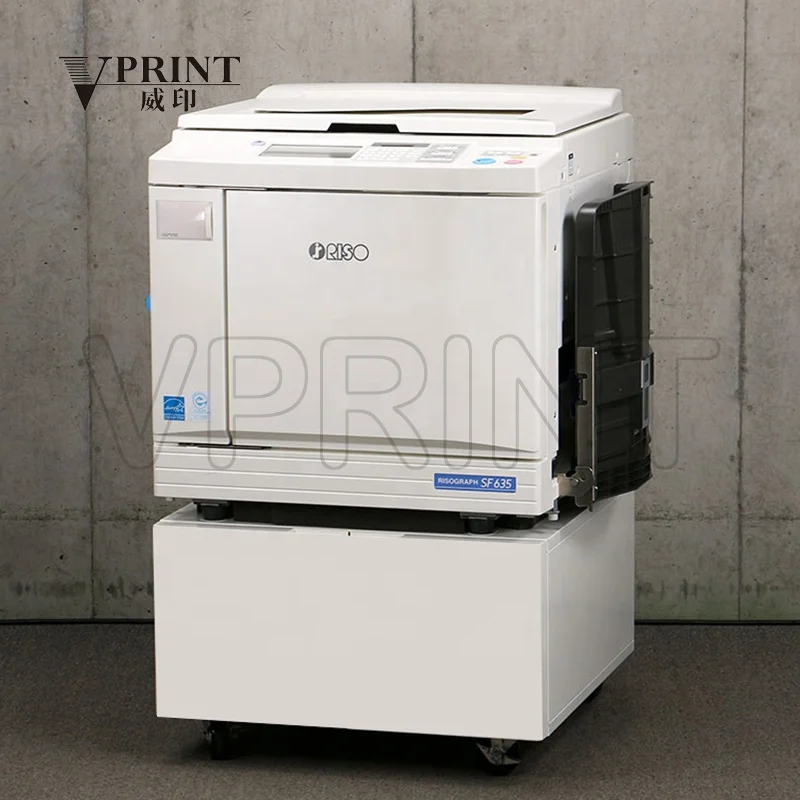
The wholesale procurement of duplicator machines represents a fundamental shift in how educational institutions approach document production and resource allocation. By investing in these advanced reproduction systems, schools can dramatically reduce their dependence on external printing services while gaining greater control over their document workflow. This strategic approach enables institutions to redirect substantial portions of their operational budgets toward core educational initiatives while maintaining the high-volume printing capabilities essential for modern academic environments.
Understanding Duplicator Technology in Educational Settings
Digital Duplication Process and Workflow
Modern duplicator machines employ sophisticated digital scanning and thermal master-making technology to create high-quality reproductions at unprecedented speeds. The process begins when documents are scanned and converted into digital master images, which are then thermally burned onto specialized master sheets. These masters can produce thousands of copies with remarkable consistency and clarity, making duplicator machines particularly valuable for educational institutions that regularly distribute worksheets, handouts, examination papers, and administrative documents.
The digital workflow of contemporary duplicator machines integrates seamlessly with existing educational technology infrastructure. Teachers and administrators can submit print jobs directly from their computers, tablets, or smartphones, eliminating the need for physical document handling during the initial stages of reproduction. This streamlined process significantly reduces turnaround times for urgent educational materials while providing detailed job tracking and cost accounting capabilities that help institutions monitor their document production expenses.
Capacity and Performance Specifications
Educational-grade duplicator machines typically offer production capacities ranging from 60 to 180 pages per minute, with some high-end models capable of producing over 200 pages per minute. These impressive speeds enable schools to handle peak demand periods, such as examination seasons or semester beginnings, without experiencing bottlenecks in their document production workflow. The ability to produce large volumes quickly becomes particularly valuable when institutions need to distribute time-sensitive materials across multiple departments or campuses simultaneously.
Modern duplicator machines designed for educational environments feature enhanced paper handling capabilities, including automatic document feeders, multiple paper tray configurations, and sophisticated sorting mechanisms. These features allow institutions to process diverse document types and sizes efficiently, from standard letter-size handouts to larger format materials such as posters and charts. The versatility of these systems enables educational facilities to consolidate their reproduction needs onto a single platform, reducing equipment maintenance requirements and operational complexity.
Cost Analysis and Budget Optimization
Per-Page Economics and Volume Advantages
The economic advantages of wholesale duplicator machines become increasingly apparent as educational institutions scale their document production volumes. While traditional photocopiers typically cost between 3 to 8 cents per page, depending on volume and service contracts, duplicator machines can reduce per-page costs to as low as 0.5 to 2 cents per page once master creation costs are amortized across large print runs. This dramatic cost reduction enables schools to produce significantly more educational materials within existing budget constraints.
The break-even analysis for duplicator machines in educational settings typically occurs when institutions regularly produce print runs exceeding 100 copies of individual documents. Schools that frequently distribute curriculum materials, administrative forms, newsletters, and examination papers often find that their monthly print volumes justify the investment in duplicator machines within the first academic year. The cumulative savings generated through reduced per-page costs can be substantial, often enabling institutions to redirect thousands of dollars annually toward educational programs and resources.
Total Cost of Ownership Considerations
Evaluating the total cost of ownership for duplicator machines requires careful analysis of initial equipment costs, ongoing consumable expenses, maintenance requirements, and operational overhead. Educational institutions must consider factors such as master sheet costs, ink expenses, paper consumption, and service contract fees when calculating long-term operational expenses. However, these costs are typically offset by the substantial per-page savings achieved through high-volume production runs.
The depreciation schedule for duplicator machines in educational environments generally spans 5 to 7 years, depending on usage patterns and maintenance practices. Institutions that maintain their equipment properly and utilize manufacturer-recommended consumables often extend the productive life of their duplicator machines beyond the standard depreciation period. This longevity further enhances the return on investment and provides educational facilities with stable, predictable document production costs throughout the equipment lifecycle.
Implementation Strategies for Educational Procurement
Wholesale Purchasing Models and Vendor Selection
Educational institutions pursuing wholesale duplicator machines must navigate complex procurement processes that often involve competitive bidding, vendor evaluation, and compliance with institutional purchasing policies. Successful wholesale arrangements typically involve volume commitments, extended warranty coverage, and comprehensive service agreements that ensure reliable equipment performance throughout the academic calendar. Institutions benefit from engaging vendors who understand the unique operational requirements and budget cycles characteristic of educational environments.
The vendor selection process for duplicator machines should prioritize suppliers with demonstrated experience in educational markets and robust service networks capable of providing rapid response times during critical periods. Educational institutions often benefit from establishing relationships with vendors who offer flexible payment terms, equipment leasing options, and trade-in programs that facilitate technology upgrades without significant capital expenditures. These partnerships enable schools to maintain current technology while managing cash flow constraints effectively.
Installation and Training Requirements
Successful implementation of duplicator machines in educational settings requires comprehensive planning for equipment installation, staff training, and workflow integration. Institutions must ensure that designated operators receive thorough training on equipment operation, maintenance procedures, and troubleshooting techniques to maximize equipment uptime and productivity. The training process typically includes instruction on master creation, quality control procedures, and consumable replacement protocols that enable staff to maintain consistent output quality.
The physical installation of duplicator machines requires careful consideration of workspace requirements, electrical specifications, ventilation needs, and accessibility for service technicians. Educational facilities often benefit from installing equipment in centralized locations that provide convenient access for multiple departments while maintaining security and supervision. Proper installation planning also includes provisions for consumable storage, waste disposal, and integration with existing network infrastructure for digital document submission and job tracking.
Operational Excellence and Maintenance Management
Preventive Maintenance Protocols
Maintaining optimal performance from duplicator machines requires adherence to rigorous preventive maintenance schedules that address both routine cleaning procedures and component replacement intervals. Educational institutions must establish protocols for daily, weekly, and monthly maintenance tasks that preserve equipment reliability and output quality. These procedures typically include cleaning scanning surfaces, replacing worn components, calibrating imaging systems, and monitoring consumable levels to prevent production interruptions.
The development of comprehensive maintenance documentation enables educational facilities to track equipment performance trends, identify potential issues before they impact operations, and optimize service scheduling to minimize disruption to academic activities. Institutions that implement systematic maintenance management often achieve significantly higher equipment uptime rates and extended component lifecycles, resulting in lower total operating costs and improved service reliability throughout the academic year.
Quality Control and Output Standards
Establishing consistent quality control standards for duplicator machines ensures that educational materials meet professional presentation requirements while maintaining cost-effectiveness. Quality control procedures typically involve regular calibration of imaging systems, monitoring of master quality, and systematic evaluation of output characteristics such as density consistency, registration accuracy, and overall document clarity. These standards become particularly important when producing examination materials or official documents that require precise reproduction fidelity.
Educational institutions benefit from implementing quality assurance protocols that include sample testing procedures, defect identification guidelines, and corrective action protocols that address quality issues promptly. Regular quality monitoring enables operators to identify trends in equipment performance and adjust operational parameters to maintain optimal output characteristics. This systematic approach to quality management helps institutions maintain professional standards while maximizing the productive capacity of their duplicator machines.
FAQ
What volume requirements justify purchasing duplicator machines for educational institutions?
Educational institutions typically justify duplicator machine investments when they regularly produce print runs exceeding 100 copies per document and have monthly volumes above 10,000 pages. Schools with frequent distribution of worksheets, examination papers, administrative forms, and curriculum materials often achieve cost savings within 6-12 months of implementation. The break-even analysis depends on current per-page costs, anticipated volume growth, and existing printing infrastructure expenses.
How do duplicator machines integrate with existing educational technology systems?
Modern duplicator machines feature network connectivity and digital workflow capabilities that integrate seamlessly with educational technology infrastructure. Teachers can submit print jobs directly from classroom computers, learning management systems, or mobile devices through standard network protocols. Many systems offer job tracking, cost accounting, and user authentication features that align with institutional IT security policies and budget management requirements.
What training requirements are necessary for educational staff operating duplicator machines?
Educational staff typically require 4-8 hours of initial training covering equipment operation, master creation procedures, quality control protocols, and basic troubleshooting techniques. Ongoing training should include consumable replacement procedures, preventive maintenance tasks, and safety protocols. Institutions benefit from designating multiple trained operators to ensure coverage during peak demand periods and staff absences while maintaining consistent operational standards.
How do wholesale procurement contracts benefit educational institutions purchasing duplicator machines?
Wholesale procurement contracts enable educational institutions to negotiate favorable pricing, extended warranty coverage, comprehensive service agreements, and flexible payment terms that align with academic budget cycles. These arrangements often include volume discounts on consumables, priority service response times, and equipment upgrade pathways that help institutions manage technology refresh cycles effectively while maintaining predictable operational costs throughout the contract period.
Table of Contents
- Understanding Duplicator Technology in Educational Settings
- Cost Analysis and Budget Optimization
- Implementation Strategies for Educational Procurement
- Operational Excellence and Maintenance Management
-
FAQ
- What volume requirements justify purchasing duplicator machines for educational institutions?
- How do duplicator machines integrate with existing educational technology systems?
- What training requirements are necessary for educational staff operating duplicator machines?
- How do wholesale procurement contracts benefit educational institutions purchasing duplicator machines?