
 EN
EN
Manufacturing facilities producing high-volume printed materials face mounting pressure to reduce operational costs while maintaining consistent quality output. A digital duplicator factory represents a strategic approach to addressing these challenges by centralizing bulk printing operations around efficient duplicating technology. This factory model leverages the unique advantages of digital duplicators to deliver cost-effective solutions for businesses requiring large quantities of printed documents, forms, newsletters, and educational materials.
The concept of establishing a dedicated digital duplicator factory stems from the growing recognition that traditional offset printing and digital printing methods often prove economically inefficient for medium to high-volume runs. By concentrating operations around digital duplicator technology, manufacturers can achieve significant cost savings while delivering rapid turnaround times that meet demanding production schedules. This specialized factory approach transforms how organizations approach bulk printing requirements across various industries.
Understanding Digital Duplicator Factory Operations
Core Manufacturing Infrastructure
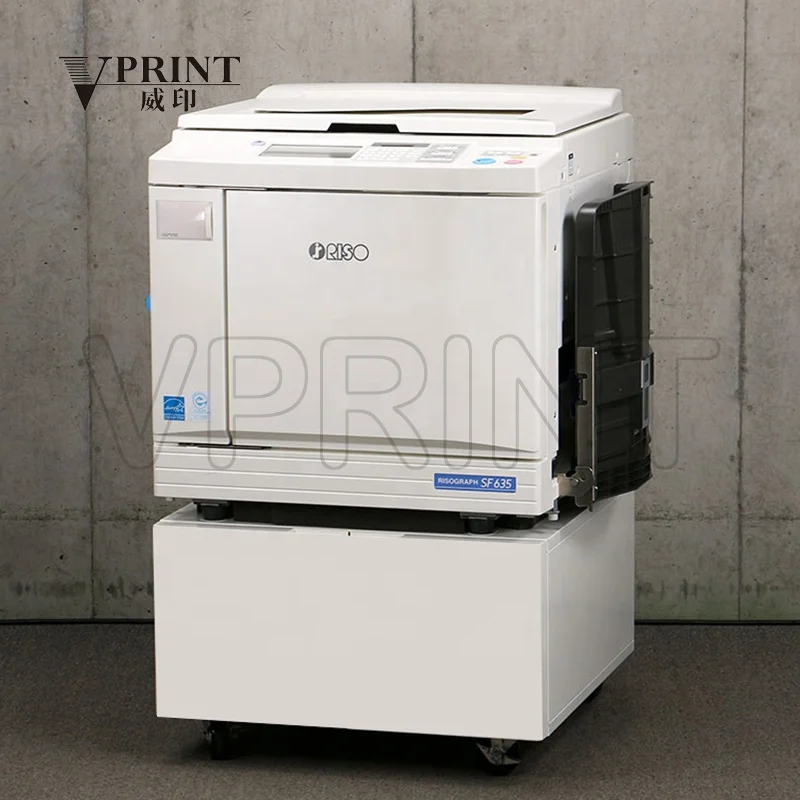
A digital duplicator factory operates on fundamentally different principles compared to conventional printing facilities. The infrastructure centers around multiple high-speed digital duplicator units capable of producing thousands of impressions per hour at remarkably low per-page costs. These factories typically house various models of digital duplicators to accommodate different paper sizes, ranging from A4 to A3 formats, ensuring comprehensive coverage of client printing requirements.
The manufacturing floor layout emphasizes workflow efficiency, with dedicated zones for master preparation, printing execution, and finishing operations. Quality control stations are strategically positioned throughout the production line to ensure consistent output standards. Raw material storage areas maintain optimal environmental conditions for paper stock and ink supplies, while finished goods areas facilitate rapid order fulfillment and distribution.
Production Workflow Optimization
Successful digital duplicator factory operations rely on streamlined production workflows that maximize equipment utilization while minimizing setup times between jobs. The workflow begins with order processing systems that automatically queue jobs based on priority, volume requirements, and material specifications. Digital master preparation stations utilize advanced scanning and image processing technology to ensure optimal print quality for each production run.
Production scheduling algorithms coordinate multiple digital duplicator units to handle simultaneous jobs efficiently. This approach prevents bottlenecks and ensures continuous operation throughout standard production shifts. Automated material handling systems transport paper stocks and finished products between workstations, reducing manual labor requirements and minimizing handling-related quality issues.
Economic Advantages of Digital Duplicator Manufacturing
Cost Structure Analysis
The economic foundation of a digital duplicator factory rests on dramatically reduced per-unit printing costs compared to alternative manufacturing methods. Digital duplicators achieve these savings through their unique stencil-based printing process, which eliminates the need for expensive printing plates or toner cartridges. Once a master stencil is created, subsequent copies require only ink and paper, resulting in marginal costs as low as a few cents per page even for complex multi-page documents.
Labor costs remain relatively low due to the simplified operation of digital duplicator equipment. Unlike offset printing presses that require skilled operators for setup and color management, a digital duplicator can be operated effectively with minimal training. This accessibility enables factories to maintain lean staffing levels while achieving high production volumes during peak demand periods.
Volume Economics and Break-Even Analysis
Digital duplicator factories achieve optimal profitability when handling jobs exceeding 100 copies per original document. The initial cost of creating a master stencil becomes negligible when distributed across hundreds or thousands of impressions. For educational institutions requiring textbook supplements, government agencies printing forms, or businesses distributing newsletters, this volume threshold aligns perfectly with typical printing requirements.
Break-even analysis reveals that digital duplicator operations become increasingly profitable as job volumes increase. While the cost per master remains constant, the distributed expense per finished piece decreases substantially with higher quantities. Factories can leverage this economic principle by consolidating multiple smaller jobs or encouraging clients to optimize their order quantities for maximum cost efficiency.
Quality Control and Production Standards
Print Quality Management Systems
Maintaining consistent print quality across high-volume production runs requires systematic quality management protocols within digital duplicator factory operations. Quality control begins with incoming material inspection, ensuring paper stocks meet specifications for weight, moisture content, and surface characteristics. These parameters directly impact how digital duplicator stencils transfer ink to paper surfaces, affecting both print clarity and production reliability.
During production, quality monitoring occurs at regular intervals throughout each job. Operators examine sample prints for ink density, registration accuracy, and overall image clarity. Digital duplicator technology inherently provides excellent consistency once properly calibrated, but environmental factors such as humidity and temperature can influence results over extended production runs. Automated monitoring systems track these variables and alert operators when adjustments become necessary.
Standardization and Process Control
Effective digital duplicator factories implement standardized operating procedures that ensure reproducible results across different equipment units and operator shifts. These procedures cover master preparation techniques, ink mixing protocols, and paper handling methods. Standardization becomes particularly important when factories utilize multiple digital duplicator models, as each may have slightly different operational characteristics requiring specific handling approaches.
Process control documentation tracks key performance indicators such as production speed, waste rates, and quality metrics. This data enables continuous improvement initiatives that optimize digital duplicator performance over time. Regular maintenance schedules ensure equipment operates at peak efficiency, preventing quality degradation that could compromise customer satisfaction and factory profitability.
Market Applications and Industry Sectors
Educational Publishing and Distribution
Educational institutions represent one of the largest market segments for digital duplicator factory services. Schools, colleges, and training organizations require substantial quantities of worksheets, handouts, examinations, and supplementary materials throughout academic cycles. The cost-effectiveness of digital duplicator production makes it possible for educational publishers to offer affordable printed materials that would be prohibitively expensive using traditional printing methods.
Digital duplicator factories serving the education market often develop specialized capabilities for handling academic calendars and seasonal demand fluctuations. Pre-semester periods typically generate surge requirements for course materials, while mid-semester needs focus on examination papers and project guidelines. Factories optimize their production planning and inventory management to accommodate these predictable demand patterns efficiently.
Government and Administrative Applications
Government agencies at various levels utilize digital duplicator factory services for producing forms, notices, reports, and informational materials required for public administration. The cost savings achieved through digital duplicator technology enable agencies to allocate more resources toward program delivery rather than administrative overhead. This efficiency becomes particularly valuable for agencies operating under tight budgetary constraints.
Administrative applications often require specific security features or specialized paper stocks that digital duplicator factories can accommodate through their flexible production capabilities. Voter information guides, tax forms, and regulatory notices represent typical applications where digital duplicator quality and cost-effectiveness provide optimal solutions for government printing requirements.
Technology Integration and Automation
Digital Workflow Systems
Modern digital duplicator factories integrate sophisticated workflow management systems that coordinate all aspects of production from order receipt through final delivery. These systems automatically process incoming job specifications, generate production schedules, and track materials consumption throughout the manufacturing process. Digital duplicator operators receive detailed work instructions through integrated terminals that display setup parameters and quality requirements for each job.
Workflow integration extends to customer communication systems that provide real-time updates on job status and estimated completion times. Clients can monitor their orders through web-based portals that display current production progress and any potential delays. This transparency builds customer confidence while enabling proactive communication about delivery schedules.
Automation and Efficiency Enhancement
Advanced digital duplicator factories incorporate automation technology that reduces manual intervention requirements while improving production consistency. Automated paper feeding systems ensure continuous operation during long production runs, while integrated finishing equipment handles tasks such as collating, stapling, and folding without operator involvement. These automation investments pay dividends through reduced labor costs and improved production throughput.
Predictive maintenance systems monitor digital duplicator performance characteristics and schedule preventive service before equipment problems develop. This proactive approach minimizes unplanned downtime while ensuring consistent print quality throughout equipment lifecycles. Data analytics platforms identify optimization opportunities by analyzing production patterns and identifying bottlenecks or inefficiencies in current operations.
FAQ
What minimum volume makes a digital duplicator factory economically viable?
A digital duplicator factory typically becomes economically viable when handling consistent monthly volumes exceeding 500,000 impressions across all jobs. This volume threshold ensures sufficient utilization of equipment and labor resources while providing adequate revenue to cover fixed costs including facility expenses, equipment depreciation, and administrative overhead.
How does digital duplicator quality compare to offset printing for bulk applications?
Digital duplicator output provides excellent quality for text-based documents and simple graphics, making it ideal for forms, newsletters, educational materials, and administrative documents. While offset printing may offer superior image reproduction for complex graphics or photographs, digital duplicator technology delivers more than adequate quality for most bulk printing applications at significantly lower costs.
What setup time is required when switching between different jobs on digital duplicator equipment?
Digital duplicator job changeover typically requires 5-10 minutes for simple text-based documents, including master preparation and initial quality checks. More complex jobs involving graphics or special formatting may require 15-20 minutes for optimal setup. This quick changeover capability enables factories to handle multiple jobs efficiently throughout production shifts.
Can digital duplicator factories handle specialty papers and custom sizes?
Most digital duplicator factories can accommodate various paper weights ranging from 60gsm to 160gsm, including colored papers and lightweight cardstock. Standard equipment handles A4 and A3 sizes effectively, while specialized digital duplicator models can process custom sizes and specialty substrates. Factories often maintain inventory of commonly requested specialty papers to support diverse client requirements.
Table of Contents
- Understanding Digital Duplicator Factory Operations
- Economic Advantages of Digital Duplicator Manufacturing
- Quality Control and Production Standards
- Market Applications and Industry Sectors
- Technology Integration and Automation
-
FAQ
- What minimum volume makes a digital duplicator factory economically viable?
- How does digital duplicator quality compare to offset printing for bulk applications?
- What setup time is required when switching between different jobs on digital duplicator equipment?
- Can digital duplicator factories handle specialty papers and custom sizes?