
 EN
EN
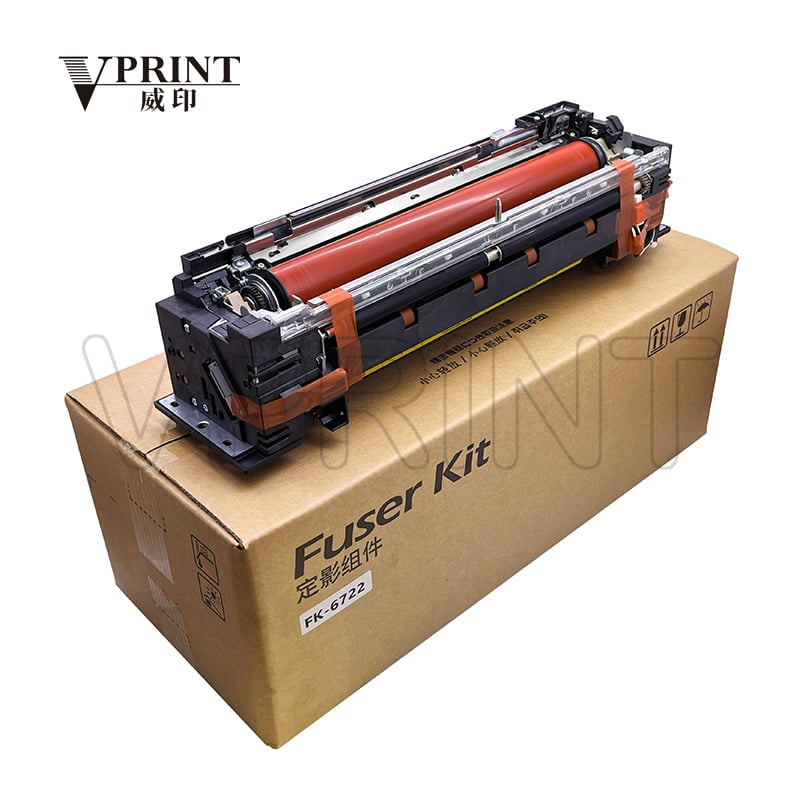
Architectural design firms face mounting pressure to deliver precise technical drawings, detailed blueprints, and comprehensive construction documentation within increasingly compressed timelines. The backbone of this critical workflow is the technical plotter, a specialized printing device engineered to handle large-format documents with exceptional precision and reliability. For firms managing multiple projects simultaneously, securing wholesale access to professional-grade technical plotter solutions represents a strategic investment that directly impacts operational efficiency, client satisfaction, and competitive positioning in the market.
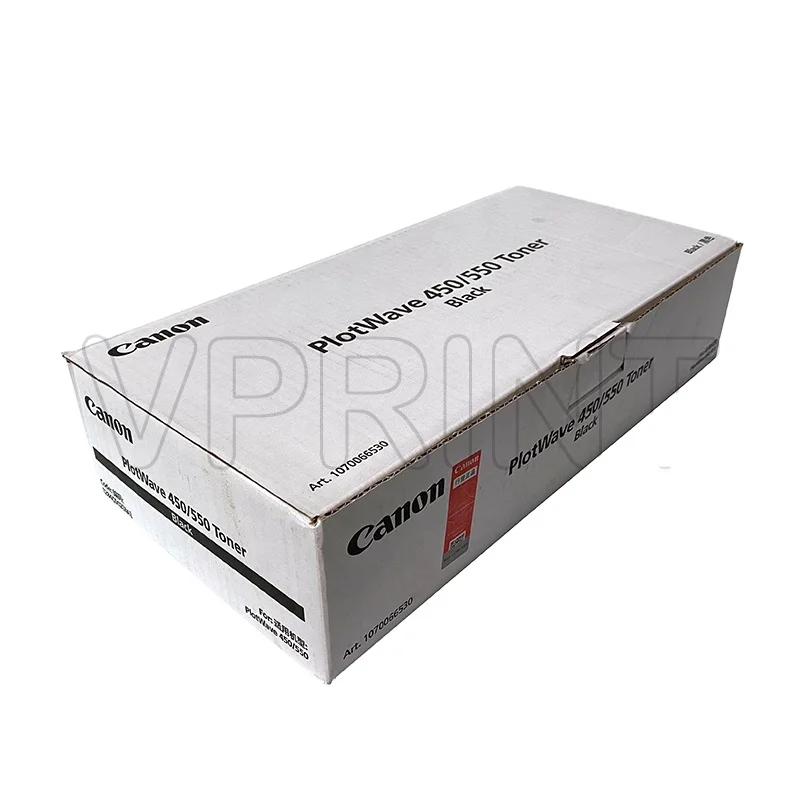
The wholesale procurement approach for technical plotter systems enables architectural firms to optimize their equipment acquisition costs while ensuring consistent access to replacement components, consumables, and maintenance support. This strategic purchasing methodology becomes particularly valuable when firms need to standardize their plotting capabilities across multiple office locations or when establishing relationships with reliable suppliers who understand the unique demands of architectural documentation workflows. Modern technical plotter technology has evolved significantly, offering enhanced precision, faster processing speeds, and improved media handling capabilities that directly support the complex requirements of contemporary architectural design practices.
Understanding Technical Plotter Requirements for Architectural Workflows
Large-Format Document Processing Capabilities
Architectural design firms require technical plotter systems capable of handling documents ranging from standard A1 sheets to expansive A0 formats and beyond. The technical plotter must accommodate various media types including bond paper, vellum, mylar, and specialized architectural films while maintaining consistent line quality and dimensional accuracy. Professional-grade plotting systems typically support continuous-form media feeding, enabling the production of lengthy elevation drawings, site plans, and construction sequences without interruption.
The processing speed of a technical plotter becomes critical when firms face tight project deadlines or need to produce multiple sets of drawings for client presentations, permit submissions, and contractor coordination meetings. Modern systems can process complex CAD files containing thousands of vector elements, maintaining precise line weights, text clarity, and dimensional accuracy throughout extended print runs. This capability ensures that architectural documentation meets professional standards while supporting efficient project delivery timelines.
Precision and Accuracy Standards
Architectural drawings demand exceptional dimensional accuracy, with tolerance requirements often measured in fractions of millimeters across large-format documents. A professional technical plotter must maintain consistent registration, ensuring that multi-layer drawings align perfectly and that scaled dimensions remain accurate regardless of document size or complexity. This precision becomes particularly critical when producing construction documents that contractors will use for actual building implementation.
Line quality represents another fundamental requirement, as architectural drawings typically incorporate various line weights to convey different types of information including cut lines, hidden elements, centerlines, and dimension indicators. The technical plotter system must reproduce these distinctions consistently, ensuring that the final output clearly communicates design intent and construction requirements to all project stakeholders.
Wholesale Procurement Strategies for Architectural Firms
Volume-Based Cost Optimization
Wholesale purchasing enables architectural firms to achieve significant cost reductions on technical plotter equipment, consumables, and maintenance components through volume-based pricing structures. Firms can negotiate favorable terms by committing to standardized equipment specifications across their operations, simplifying maintenance procedures and reducing the complexity of consumable inventory management. This approach becomes particularly advantageous for multi-location practices seeking to establish consistent plotting capabilities while maintaining centralized procurement oversight.
The financial benefits extend beyond initial equipment acquisition costs to include reduced per-unit pricing on toner cartridges, specialized media, and replacement components. Wholesale relationships often provide access to predictable pricing structures that support accurate project cost estimation and budget planning. Additionally, bulk purchasing agreements can include favorable payment terms, extended warranty coverage, and priority service arrangements that enhance operational reliability.
Supplier Relationship Development
Establishing strong wholesale relationships with technical plotter suppliers creates opportunities for architectural firms to access specialized support services, technical training, and equipment upgrade pathways. Professional suppliers understand the unique requirements of architectural workflows and can provide guidance on optimizing system configurations for specific document types and production volumes. This expertise becomes valuable when firms need to evaluate new plotting technologies or adapt their systems to accommodate evolving project requirements.
Long-term wholesale partnerships often include access to demonstration equipment, allowing firms to evaluate new technical plotter models before making significant capital investments. Suppliers may also provide training programs that help architectural staff optimize their plotting workflows, reduce waste, and troubleshoot common issues independently, ultimately improving overall operational efficiency.
Technical Specifications and Performance Considerations
Resolution and Output Quality Parameters
Modern technical plotter systems typically offer resolution capabilities ranging from 600 to 2400 dots per inch, with architectural applications generally requiring minimum resolutions of 600 DPI to ensure adequate line quality and text legibility. The selection of appropriate resolution settings depends on the specific requirements of different document types, with complex details and small text elements benefiting from higher resolution outputs while simple line drawings may perform adequately at standard resolutions.
Output quality encompasses multiple factors beyond basic resolution, including color accuracy for firms producing presentation drawings, grayscale reproduction for technical documentation, and edge sharpness for precise dimensional layouts. A professional technical plotter must maintain consistent output quality across different media types and environmental conditions, ensuring that drawings produced during various seasons or in different office locations meet identical standards.
Connectivity and Workflow Integration
Contemporary technical plotter systems must integrate seamlessly with modern architectural design workflows, supporting direct connectivity to CAD workstations, network printing from multiple design terminals, and cloud-based document management systems. The plotting system should accommodate various file formats including native CAD formats, PDF documents, and raster images while preserving original scaling and formatting specifications.
Advanced technical plotter models offer features such as automatic media detection, intelligent nesting capabilities that optimize media usage, and integrated scanning functions that support document archiving and revision control processes. These capabilities become particularly valuable in collaborative design environments where multiple team members need access to plotting resources and where document version control represents a critical workflow requirement.
Implementation and Operational Considerations
Installation and Setup Requirements
Implementing a wholesale technical plotter solution requires careful attention to physical installation requirements, including adequate floor space, proper ventilation, and stable power supply arrangements. Professional-grade plotting systems often require dedicated electrical circuits and may generate heat that necessitates appropriate air circulation or climate control considerations. Firms should evaluate their existing office infrastructure to ensure compatibility with technical plotter specifications before finalizing wholesale procurement agreements.
The setup process typically involves software installation, network configuration, and calibration procedures that optimize output quality for specific media types and environmental conditions. Wholesale suppliers often provide installation services and initial training as part of comprehensive procurement packages, ensuring that architectural staff can begin productive use of the technical plotter system immediately upon delivery.
Maintenance and Support Protocols
Effective maintenance protocols ensure consistent technical plotter performance and extend equipment operational life, making wholesale maintenance agreements an important consideration for architectural firms. Regular maintenance tasks include printhead cleaning, calibration verification, and consumable replacement procedures that require specific technical knowledge and appropriate replacement components. Wholesale procurement arrangements often include structured maintenance programs that provide predictable service costs and priority response times.
Architectural firms benefit from establishing clear protocols for routine maintenance tasks that staff can perform independently, while identifying situations that require professional service intervention. This approach minimizes downtime during critical project phases while ensuring that technical plotter systems continue to meet professional output quality standards throughout their operational life.
FAQ
What factors should architectural firms consider when evaluating wholesale technical plotter suppliers?
Architectural firms should evaluate suppliers based on their understanding of professional drawing requirements, availability of technical support services, competitive pricing structures for equipment and consumables, and their ability to provide consistent service across multiple locations. The supplier's inventory of replacement components, response time for service calls, and experience supporting architectural workflows are equally important considerations. Additionally, firms should assess the supplier's financial stability and long-term commitment to the technical plotter market to ensure ongoing support availability.
How can firms determine the appropriate technical plotter capacity for their operations?
Capacity planning should consider peak production requirements during project deadline periods, the typical size and complexity of drawings produced, and the number of design staff requiring access to plotting resources. Firms should analyze their historical plotting volumes, accounting for both routine document production and periodic large-volume requirements such as permit submission packages or construction document sets. The evaluation should also consider future growth projections and the potential for expanded services that might increase plotting demands.
What are the key cost considerations beyond initial technical plotter acquisition pricing?
Total cost of ownership includes consumable expenses such as toner cartridges and specialized media, ongoing maintenance and service costs, electrical consumption, and potential facility modifications required for proper installation. Firms should also consider training costs for staff, productivity losses during equipment downtime, and the financial impact of output quality issues on client relationships. Wholesale procurement agreements may offer bundled pricing that reduces some of these ongoing costs while providing more predictable budget planning.
How do modern technical plotter systems integrate with contemporary architectural design workflows?
Modern systems support direct integration with CAD software platforms, enabling designers to send drawings directly from their workstations without file conversion or intermediate processing steps. Many technical plotter systems offer cloud connectivity, allowing remote printing and job management from mobile devices or off-site locations. Advanced systems include features such as automatic scaling verification, batch processing capabilities, and integration with document management systems that support comprehensive project file organization and version control requirements.
Table of Contents
- Understanding Technical Plotter Requirements for Architectural Workflows
- Wholesale Procurement Strategies for Architectural Firms
- Technical Specifications and Performance Considerations
- Implementation and Operational Considerations
-
FAQ
- What factors should architectural firms consider when evaluating wholesale technical plotter suppliers?
- How can firms determine the appropriate technical plotter capacity for their operations?
- What are the key cost considerations beyond initial technical plotter acquisition pricing?
- How do modern technical plotter systems integrate with contemporary architectural design workflows?