
 EN
EN
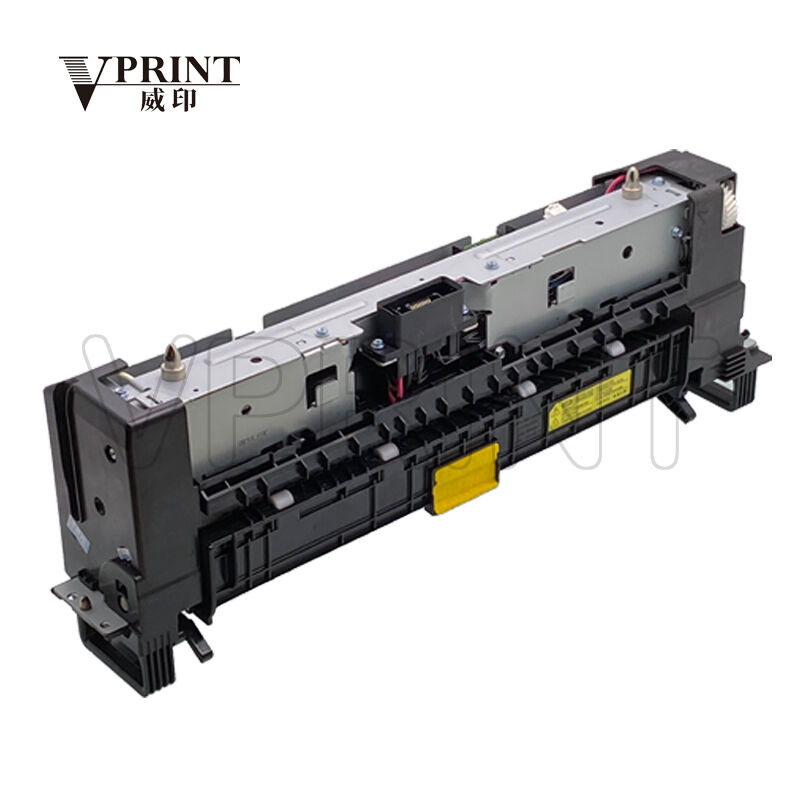
Professional graphic printing demands exceptional precision and quality that can only be achieved through superior hardware components. The foundation of any high-quality print output lies in the sophisticated interaction between various printer mechanisms, with the OPC drum serving as the cornerstone of the entire printing process. Understanding the critical role of this component helps professionals make informed decisions about their printing infrastructure and ensures consistent, professional-grade results that meet the demanding standards of modern graphic design and commercial printing applications.
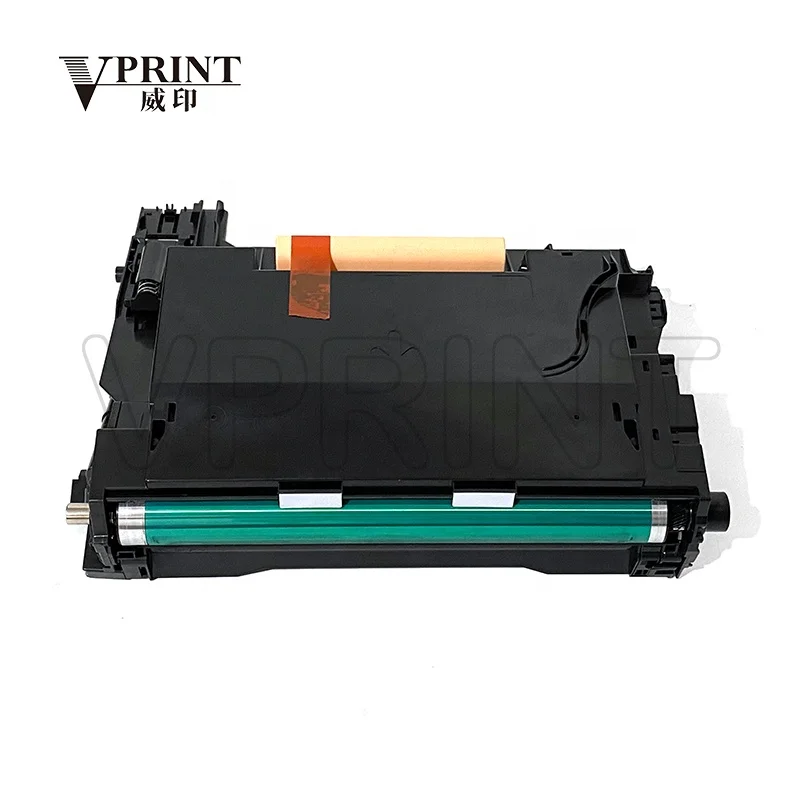
Understanding OPC Drum Technology and Its Impact on Print Quality
The Science Behind OPC Drum Functionality
The Organic Photoconductor drum represents a revolutionary advancement in printing technology that fundamentally transformed how images and text are transferred onto paper. This cylindrical component contains a photosensitive coating that responds to light exposure by creating electrostatic charges across its surface. When laser light strikes specific areas of the OPC drum, it neutralizes the electrical charge in those precise locations, creating an invisible electrostatic image that corresponds exactly to the desired print output. This sophisticated process requires exceptional precision and consistency to ensure that every microscopic detail is accurately reproduced in the final printed material.
The photoconductor material used in high-grade OPC drum units undergoes rigorous quality control processes to maintain uniform sensitivity across the entire surface area. Manufacturing defects or inconsistencies in the photoconductor coating can result in streaking, uneven toner distribution, or complete printing failures that compromise the professional appearance of graphic prints. Advanced OPC drum technology incorporates multiple layers of specialized materials that work together to provide consistent charge retention, optimal light sensitivity, and extended operational lifespan under demanding commercial printing conditions.
Material Composition and Durability Factors
Premium OPC drum construction utilizes advanced polymer compounds and specialized coatings that resist wear, chemical degradation, and environmental factors that could impact print quality over time. The substrate material must maintain dimensional stability under varying temperature and humidity conditions while providing a perfectly smooth surface for consistent toner adhesion. High-grade OPC drum units incorporate proprietary anti-wear additives and protective coatings that extend operational life significantly beyond standard alternatives, reducing replacement frequency and minimizing downtime in professional printing environments.
The manufacturing process for professional-grade OPC drum components involves precision machining and specialized coating applications that ensure microscopic surface uniformity. Any irregularities in the drum surface or coating thickness can create visible artifacts in printed graphics, particularly in areas requiring smooth gradients or fine detail reproduction. Quality OPC drum manufacturers implement comprehensive testing protocols that verify coating adhesion, surface smoothness, and electrical properties before units are approved for commercial distribution.
Professional Graphic Print Requirements and Quality Standards
Color Accuracy and Consistency Demands
Professional graphic printing applications require exceptional color fidelity and consistency that can only be achieved through precise control of toner placement and density across the entire print surface. The OPC drum plays a crucial role in maintaining uniform electrostatic charge distribution that ensures consistent toner attraction and transfer for every printed page. Variations in drum surface quality or charge retention capabilities directly impact color accuracy, potentially causing noticeable shifts in hue, saturation, or brightness that compromise the professional appearance of marketing materials, architectural drawings, or artistic reproductions.
High-resolution graphic printing demands sub-pixel accuracy in toner placement to reproduce fine details, sharp edges, and smooth color transitions without visible banding or graininess. The OPC drum surface must maintain perfect smoothness and uniform electrical properties throughout its operational life to support consistent high-quality output. Professional graphics often include complex color gradients, fine line work, and detailed imagery that reveal even minor imperfections in the printing process, making superior OPC drum quality essential for maintaining competitive standards in commercial printing applications.
Resolution and Detail Reproduction Capabilities
Modern professional printing applications frequently require resolution capabilities exceeding 2400 dots per inch to satisfy demanding quality standards for architectural plans, technical drawings, and high-end marketing materials. Achieving this level of detail reproduction requires exceptional precision in the electrostatic image formation process, where the OPC drum must accurately capture and transfer microscopic charge patterns without distortion or loss of information. Superior OPC drum technology enables precise control over individual toner particles, ensuring that fine lines remain sharp, small text remains legible, and complex graphics maintain their intended visual impact.
The relationship between OPC drum quality and achievable print resolution is particularly evident in applications requiring fine halftone screening or continuous tone reproduction. Professional graphic designers and commercial printers depend on consistent dot formation and precise toner placement to achieve smooth gradations and eliminate visible screening patterns that detract from professional appearance. High-grade OPC drum components maintain stable electrical characteristics that support consistent charge distribution even at maximum resolution settings, enabling professional printers to deliver exceptional results that meet or exceed client expectations.
Performance Benefits of High-Grade OPC Drum Components
Extended Operational Lifespan and Reliability
Investing in premium OPC drum technology delivers significant long-term value through extended operational life and reduced maintenance requirements compared to standard alternatives. High-grade OPC drum units typically provide consistent performance for significantly more print cycles before requiring replacement, reducing per-page printing costs and minimizing workflow interruptions in busy professional environments. The superior materials and construction methods used in premium OPC drum manufacturing result in enhanced resistance to mechanical wear, chemical degradation, and environmental stress factors that commonly affect standard drum components.
Professional printing operations benefit from the predictable performance characteristics of quality OPC drum components, which maintain consistent output quality throughout their extended operational life. Unlike lower-grade alternatives that may experience gradual degradation in print quality over time, premium OPC drum units deliver consistent results from initial installation through end-of-life replacement. This reliability enables printing professionals to maintain quality standards without constant monitoring or premature component replacement, reducing operational costs and improving overall productivity.
Reduced Maintenance and Downtime Requirements
High-quality OPC drum components require less frequent cleaning, calibration, and replacement compared to standard alternatives, significantly reducing maintenance overhead and operational downtime. The advanced materials and precision manufacturing used in premium OPC drum construction resist contamination, wear, and performance degradation that commonly affect lesser quality components. Professional printing environments benefit from reduced service calls, fewer component failures, and more predictable maintenance schedules when utilizing superior OPC drum technology.
The improved reliability of premium OPC drum units translates directly into enhanced productivity and reduced operational stress for printing professionals. Consistent performance eliminates the need for frequent recalibration or quality adjustments that interrupt workflow and delay project completion. Professional graphics production environments require dependable equipment that maintains quality standards without constant intervention, making high-grade OPC drum investment essential for maintaining competitive operations and customer satisfaction.
Impact on Print Output Quality and Professional Applications
Toner Adhesion and Transfer Efficiency
The surface characteristics of the OPC drum directly influence toner particle adhesion and transfer efficiency, which determines the final density, uniformity, and appearance of printed graphics. High-grade OPC drum components feature precisely engineered surface properties that optimize electrostatic attraction between charged toner particles and the drum surface while ensuring complete transfer to the paper substrate. This sophisticated interaction requires exact control over surface roughness, electrical conductivity, and chemical composition to achieve consistent results across diverse printing conditions and media types.
Professional graphic applications often involve specialty papers, coated stocks, and non-standard media that challenge the toner transfer capabilities of standard printing components. Premium OPC drum technology accommodates these demanding applications by maintaining consistent charge distribution and transfer efficiency regardless of substrate characteristics. The enhanced performance capabilities of quality OPC drum units enable professional printers to expand their service offerings and accept projects requiring specialized media without compromising output quality or reliability.
Color Gamut and Saturation Control
Achieving maximum color gamut and saturation in professional graphic prints requires precise control over toner density and placement that can only be accomplished through superior OPC drum performance. The electrical characteristics of the OPC drum surface determine the maximum toner density that can be achieved while maintaining uniform distribution and preventing excessive buildup that causes smearing or transfer problems. High-grade OPC drum components enable optimal toner loading for rich, saturated colors that accurately reproduce the full range of colors specified in professional color management systems.
Professional color matching and reproduction standards require consistent OPC drum performance to maintain calibrated color output over extended production runs. Variations in drum surface quality or electrical properties can cause subtle but noticeable shifts in color reproduction that compromise brand consistency and professional appearance. Superior OPC drum technology provides the stability and consistency necessary for professional color management workflows, enabling printing operations to maintain tight color tolerances and deliver predictable results that satisfy demanding client requirements.
Cost-Effectiveness and Long-Term Value Considerations
Total Cost of Ownership Analysis
Evaluating OPC drum investment decisions requires comprehensive analysis of total ownership costs including initial purchase price, operational lifespan, maintenance requirements, and impact on overall printing productivity. While premium OPC drum components typically command higher initial costs, their extended operational life and superior performance characteristics often result in lower per-page printing costs and reduced total ownership expenses over time. Professional printing operations benefit from conducting detailed cost analysis that considers all factors affecting long-term profitability and operational efficiency.
The relationship between OPC drum quality and operational efficiency extends beyond simple component replacement costs to include factors such as reduced downtime, fewer reprints due to quality issues, and enhanced customer satisfaction through consistent output quality. Professional printing businesses must consider the competitive advantages gained through superior print quality and reliability when evaluating OPC drum investment options. The enhanced reputation and customer retention achieved through consistent high-quality output often justifies premium component costs through increased revenue opportunities and market positioning.
Productivity and Efficiency Improvements
High-grade OPC drum components contribute significantly to overall printing productivity through reduced setup time, fewer quality adjustments, and more consistent output that minimizes waste and reprints. Professional printing operations benefit from the predictable performance characteristics of quality components that eliminate time-consuming troubleshooting and calibration procedures. The enhanced reliability of premium OPC drum technology enables printing professionals to focus on production rather than equipment maintenance, improving overall throughput and profitability.
The efficiency improvements achieved through superior OPC drum performance extend throughout the entire printing workflow, from initial setup through final output delivery. Consistent quality eliminates the need for frequent press checks, color adjustments, and reprint operations that consume valuable production time and materials. Professional graphics production environments require maximum efficiency to maintain competitive pricing and delivery schedules, making high-grade OPC drum investment essential for operational success and customer satisfaction.
FAQ
How often should professional printing operations replace their OPC drum components
The replacement frequency for OPC drum components varies significantly based on usage patterns, environmental conditions, and component quality. High-grade OPC drum units typically provide consistent performance for 50,000 to 100,000 pages or more, depending on the specific application and maintenance practices. Professional printing operations should monitor print quality indicators such as density consistency, color accuracy, and image sharpness to determine optimal replacement timing rather than relying solely on page count recommendations.
What specific quality indicators suggest OPC drum replacement is necessary
Several visual and performance indicators signal that OPC drum replacement may be required to maintain professional print quality standards. These include visible streaking or banding in solid color areas, reduced color saturation or density, uneven toner distribution across the page width, and ghosting or double images in printed output. Professional printers should also monitor for increased toner consumption, frequent paper jams, or calibration drift that may indicate OPC drum performance degradation.
Can lower-cost OPC drum alternatives provide adequate performance for professional applications
While lower-cost OPC drum alternatives may provide acceptable performance for basic printing applications, professional graphic printing typically requires the enhanced performance characteristics and reliability offered by high-grade components. The demanding quality standards and consistency requirements of professional graphics production make premium OPC drum investment essential for maintaining competitive operations. Cost savings from lower-grade components are often offset by increased maintenance requirements, reduced reliability, and potential quality issues that impact customer satisfaction.
How does OPC drum quality affect different types of professional printing media
OPC drum quality significantly impacts printing performance across various media types, with specialty papers and coated stocks being particularly sensitive to component quality variations. High-grade OPC drum components provide consistent charge distribution and toner transfer efficiency regardless of substrate characteristics, enabling professional printers to work with diverse media types without quality compromises. Standard OPC drum alternatives may experience performance variations with different paper weights, coatings, or surface textures that limit media selection options and output quality consistency.
Table of Contents
- Understanding OPC Drum Technology and Its Impact on Print Quality
- Professional Graphic Print Requirements and Quality Standards
- Performance Benefits of High-Grade OPC Drum Components
- Impact on Print Output Quality and Professional Applications
- Cost-Effectiveness and Long-Term Value Considerations
-
FAQ
- How often should professional printing operations replace their OPC drum components
- What specific quality indicators suggest OPC drum replacement is necessary
- Can lower-cost OPC drum alternatives provide adequate performance for professional applications
- How does OPC drum quality affect different types of professional printing media